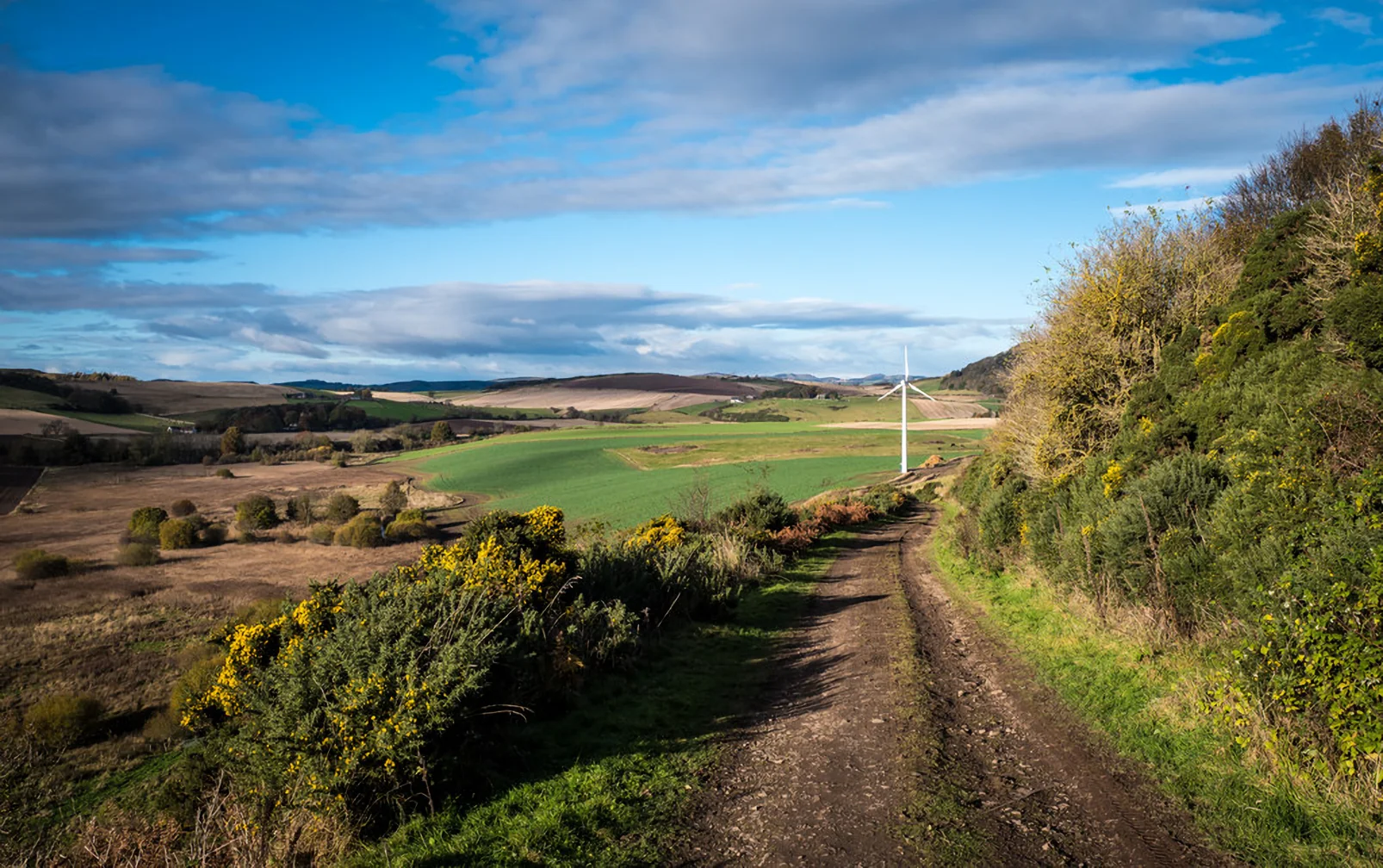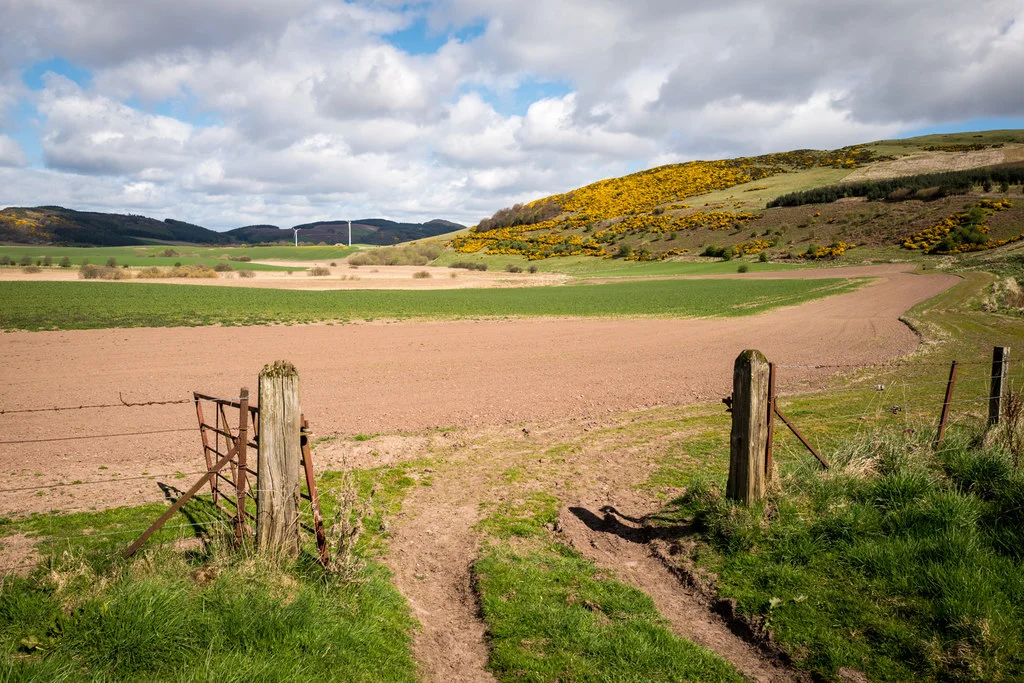
Denboig is a rural parish in the north of Fife near to the River Tay. Also known as Dunbog or Dunboig the area takes its name from the Gaelic Dùn Bolg, meaning bag-like or rounded hill which is a prominent feature in the landscape.
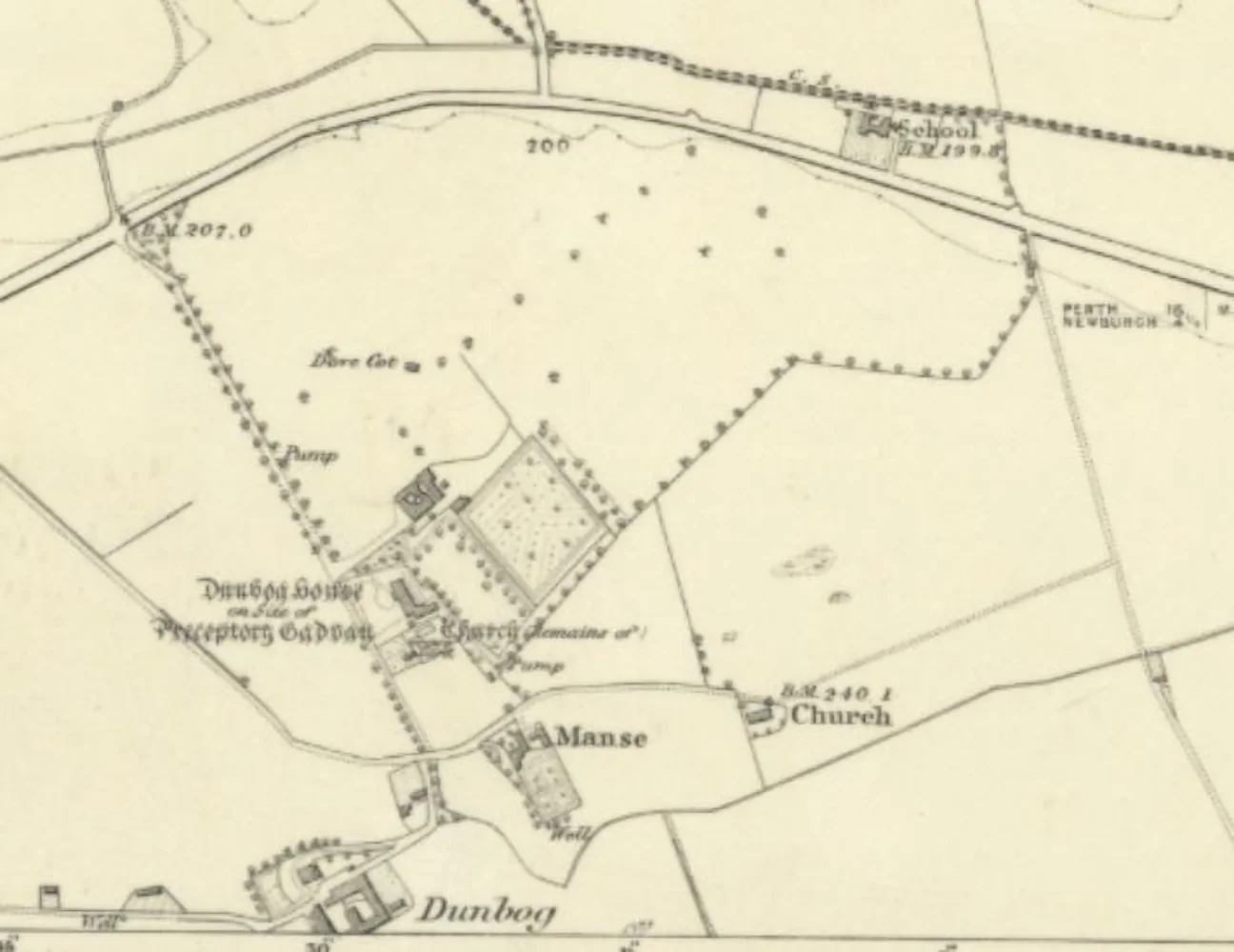
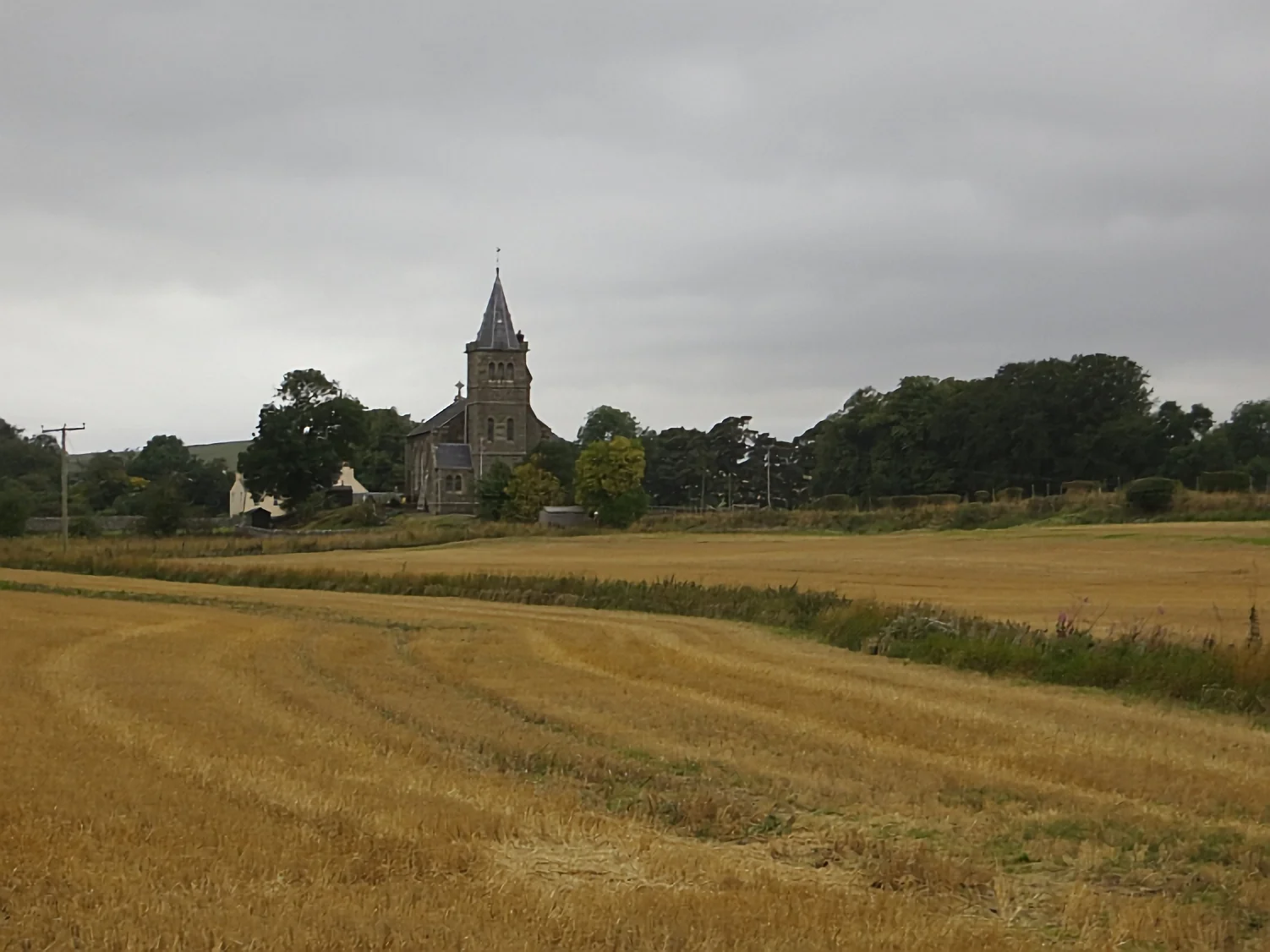
The earliest records for Denboig are related to the Church. In the twelfth century, the kirk of Denboig came to be held by the great Abbey of Arbroath. The monks of the Abbey of Balmerino also had a small building here called the preceptory of Gadvan, and it is presumed they farmed the land around it. The manor house of Denboig was later built on this site.
In the fifteenth century, the lands of Dunboig lay within the Barony of Ballinbreich and were held by the Earls of Crawford and Lords of Leslie. In the early 1500s, Dunbog was acquired by David Beaton of Creich. It has long been believed that the present house at Denboig was either erected or lived in by the famous Cardinal Beaton of St Andrews who was of the Beaton of Balfour line. However, this branch of the family only came to hold the estate more than a century after his death in 1546.
The Beaton family continued to hold Denboig into the seventeenth century. In 1687, the lands of Denboig were granted to the Bannerman family and were erected to a barony for George Bannerman, an advocate who rose to be solicitor to King Charles II. In the 1690s, the estate passed to Major Henry Balfour of Starr. In 1703, Balfour of Dunbog was elected a Commissioner for the Barons of Fife in Parliament, and while sitting in Parliament, he opposed the union with England which was eventually passed in 1707. Like many who opposed the union, Dunbog joined the Jacobite Rising of 1715, which fought to re-establish the House of Stuart.
Having joined the Jacobites and likely fought during the Rising, Dunbog was forfeited by Balfour. His estates were eventually returned to his son. A famous member of the family was Major General Nisbet Balfour of Dunbog who fought in the American War of Independence and in the Napoleonic Wars. In 1766, Denboig passed from the Balfours to Sir Lawrence Dundas, Baronet. Dundas served as an MP, Vice Admiral of Shetland and Orkney, Commissary General and a contractor to the British Army.
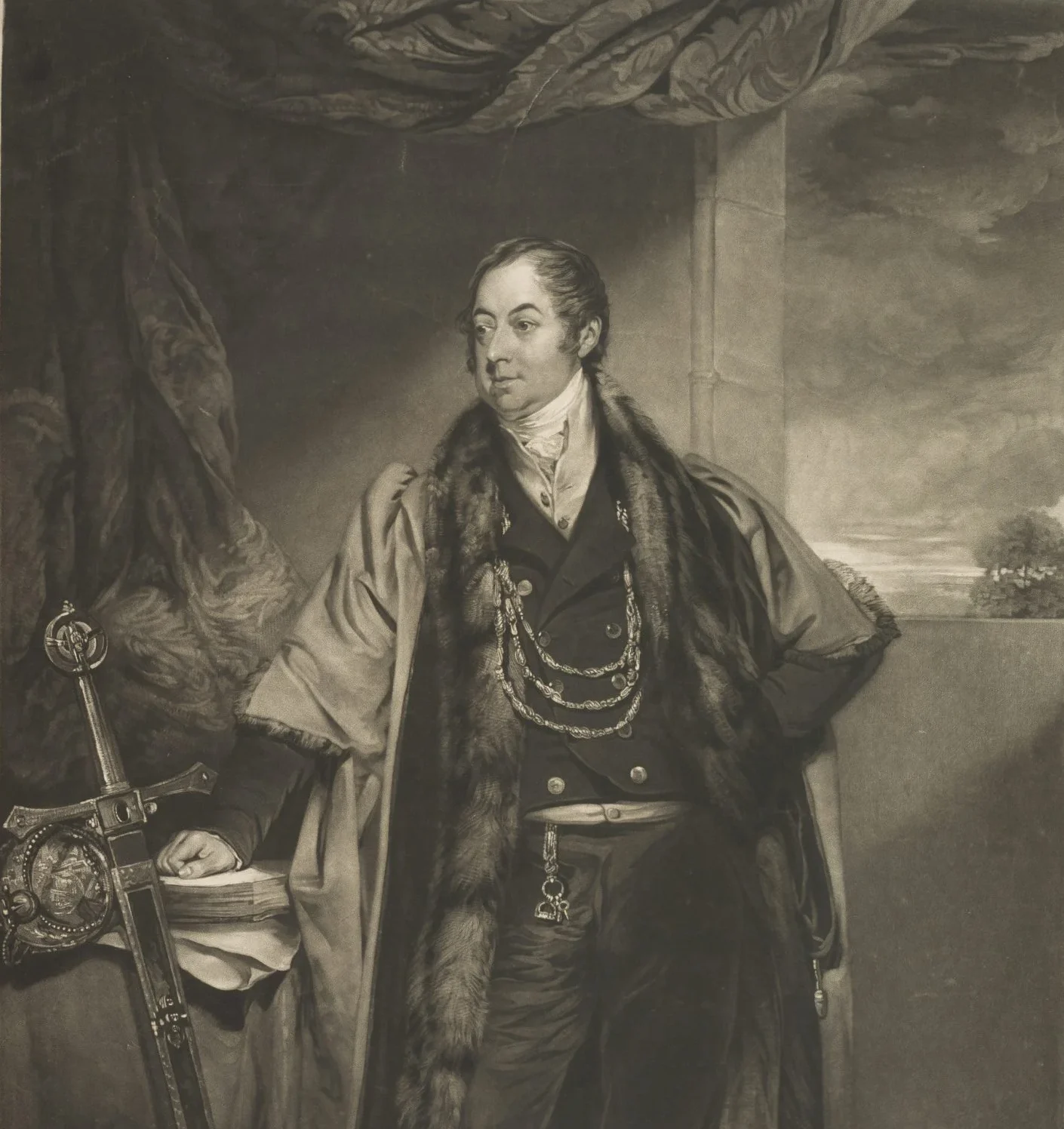
He was succeeded by his son Sir Thomas Dundas, who, like his father, served as an MP. In 1794, he was created Baron Dundas of Aske. His son, Lawrence Dundas, was also an MP, Vice Admiral of Orkney and Shetland, and Lord Mayor of York, and was created Earl of Zetland in 1838. Lawrence Dundas, 3rd Earl of Zetland, was an MP, Lord Lieutenant of Ireland, and in 1892 was created Marquess of Zetland. The lands and Barony of Denboig remained with the family into the twentieth century as they continued to be active in the British military and political life. The barony is presently held by Kenneth MacLean.