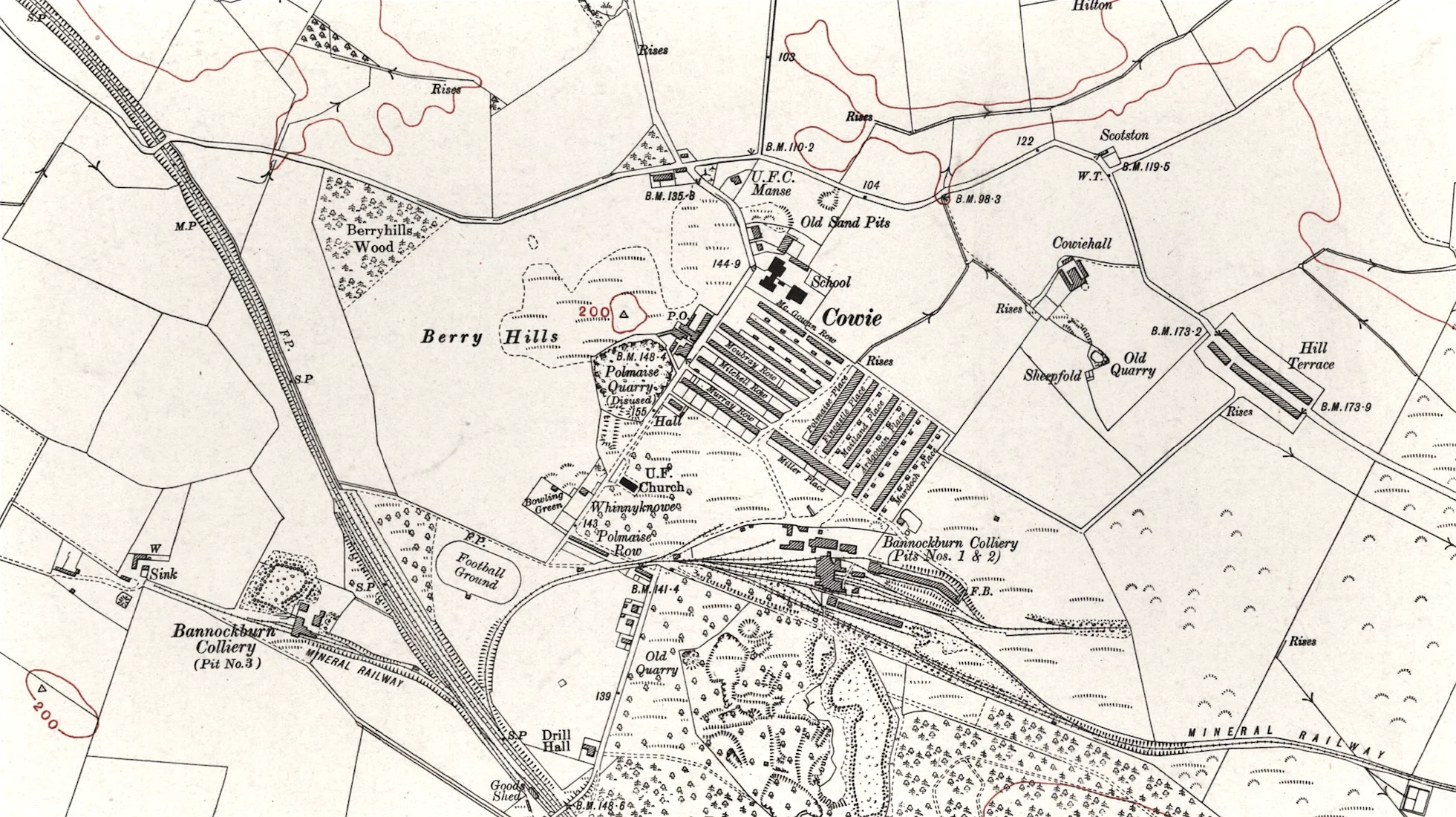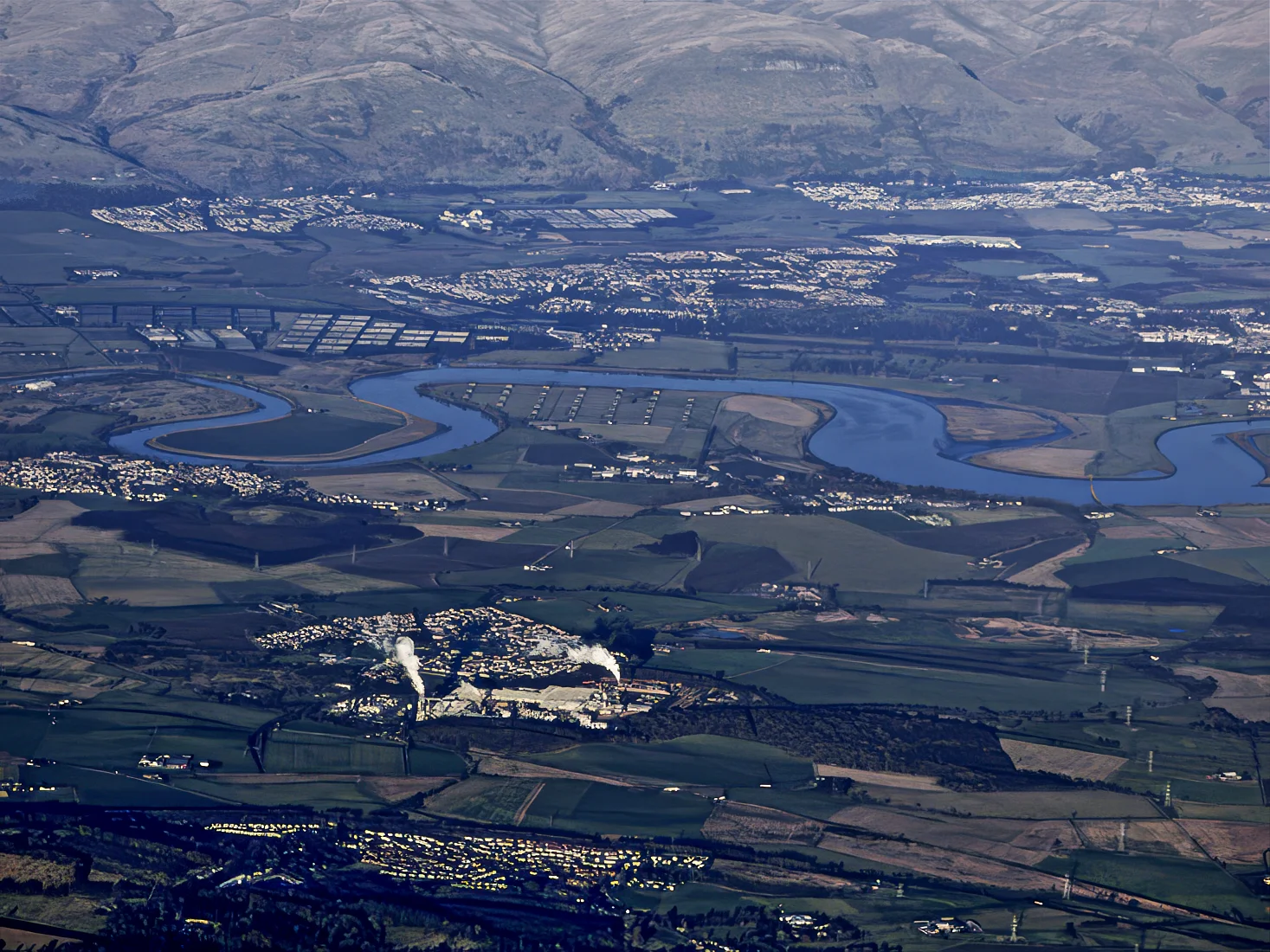
Cowie is an area about four miles south-east of Stirling. The modern-day village of the same name has a population of over 2,000. The name ‘Cowie’ probably comes from the Gaelic colldha or collaidh, meaning hazel or wooded place.
In the early twelfth century, King David I of Scotland gave the lands of Cowie to Cambuskenneth Abbey. Cambuskenneth is located beside the River Forth near Stirling and was one of Scotland’s greatest medieval abbeys. It appears that for the next three and a half centuries the lands of Cowie were held by the abbey.
The lands would have been used to provide an income, and the abbot would have leased areas of the land to local tenants. At this time Stirlingshire was strategically important to the control of Scotland and several key battles were fought near Cowie, including the famous Battle of Bannockburn in 1314. During the middle of the sixteenth century, the Protestant Reformation transformed the Scottish social and political landscape. Cambuskenneth Abbey’s buildings were destroyed. Some stones were removed for construction work in Stirling Castle.
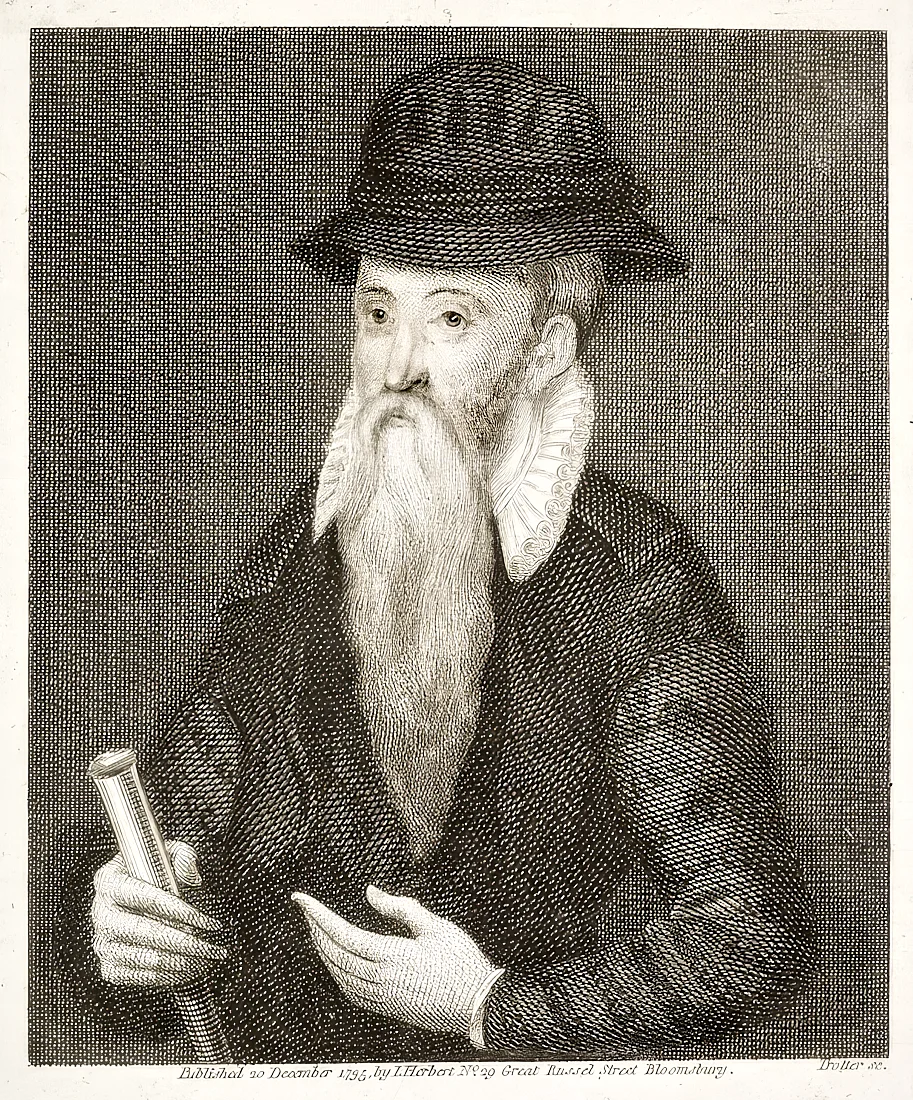
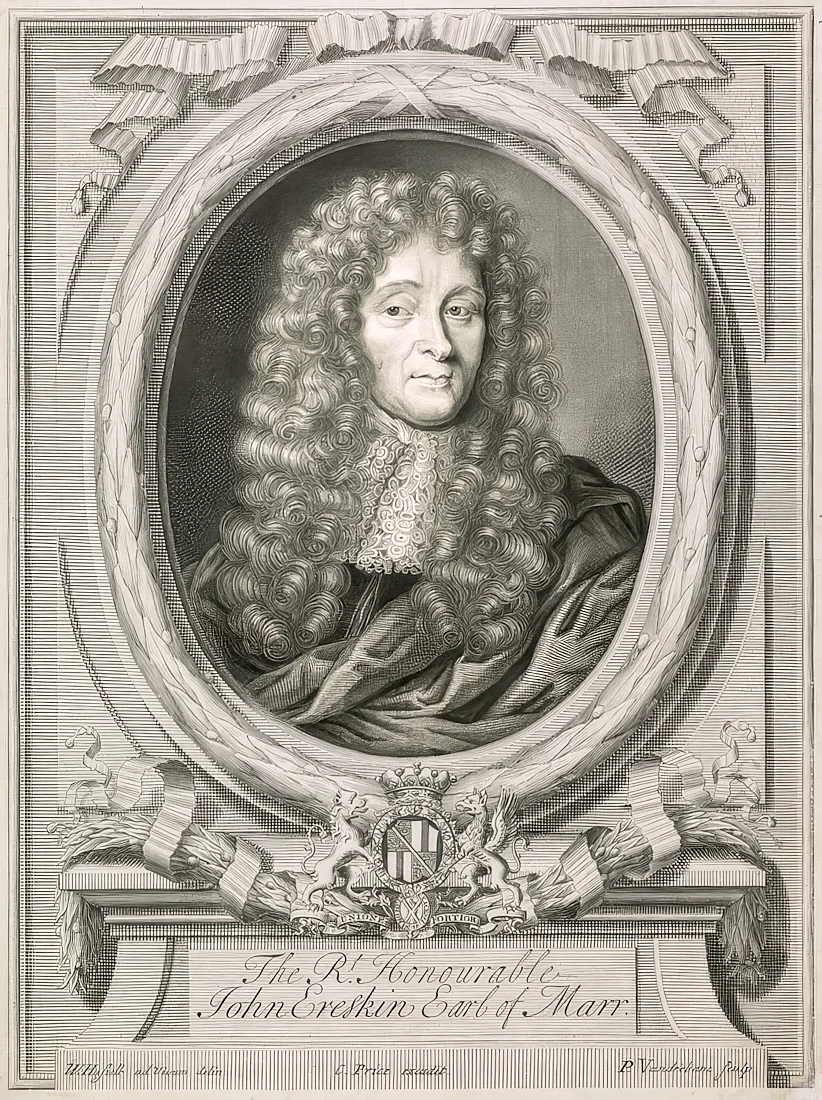
In 1563, Adam Erskine, the head of the abbey, signed a charter of some of its lands, including Cowie, to John, 6th Lord Erskine. When Mary, Queen of Scots returned to Scotland, Erskine was a member of her council, and in 1565 he was granted the Earldom of Mar, which had been lost by one of his forbears. Mar became guardian of the young King James VI and was one of the leaders of the nobles who rose against Mary and her husband Lord Bothwell. He was heavily involved in government following her imprisonment.
The pinnacle of his career was being chosen as a Regent of Scotland in 1571. Mar was succeeded by his son John, 2nd Earl of Mar. In 1582, Mar was involved in the infamous Raid of Ruthven, an abortive conspiracy by some nobles to seize King James VI and reform the government. Despite his past, Mar afterwards rose in royal favour, becoming governor of Edinburgh, a member of the Privy Council, Lord High Treasurer and granted the title Lord Cardross. In 1634, Cowie passed to Mar’s widow, Lady Marie Stuart. The Erskines of Mar continued as some of the most powerful nobles of Scotland. Charles, the 5th Earl, raised the famous 21st Regiment of Foot, the Royal Scots Fusiliers in 1679.
In 1715, John, 6th Earl of Mar, became a leader of the Jacobite rebellion. He had no military experience and was a poor general. In an indecisive battle at Sheriffmuir in 1715 he was unable to defeat a smaller force under the Duke of Argyll. With the failure of the ’15, Mar fled with the Old Pretender to France and spent the rest of his life in exile. An Act of Attainder was passed against the Earl, which stripped him and his heirs of all their lands and titles. Thus, the Barony of Cowie left the family, with the Murrays of Polmaise being the beneficiaries. The Barony was held by the Murrays and their descendants until 1926, before returning to the Stuart line.