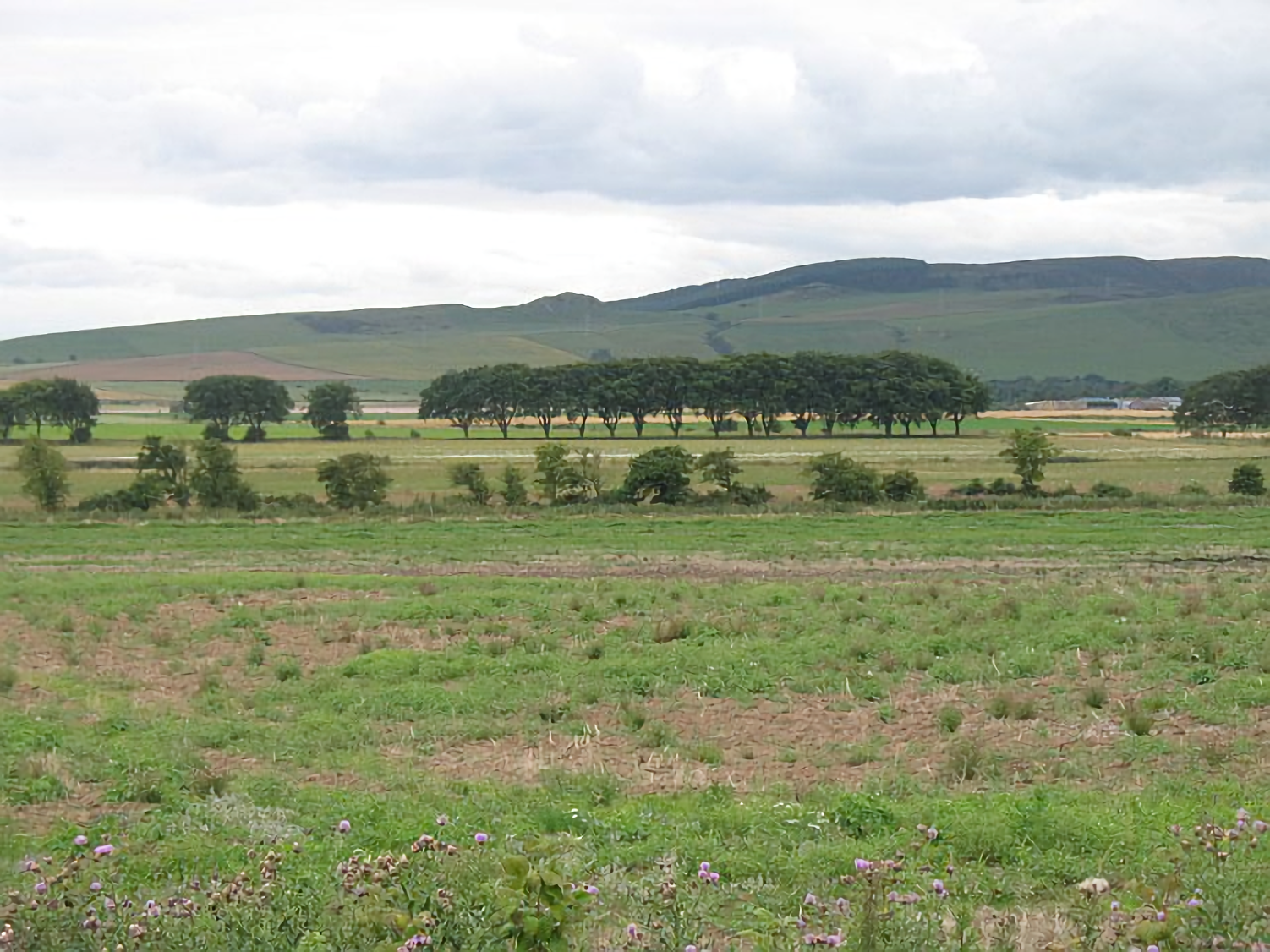
Arnot lies on the border of Kinross-shire and Fife just to the east of Loch Leven. It first appears in the records in the twelfth century when it was held by a family who took the name Arnot. It seems this family continued to hold the lands for several centuries.
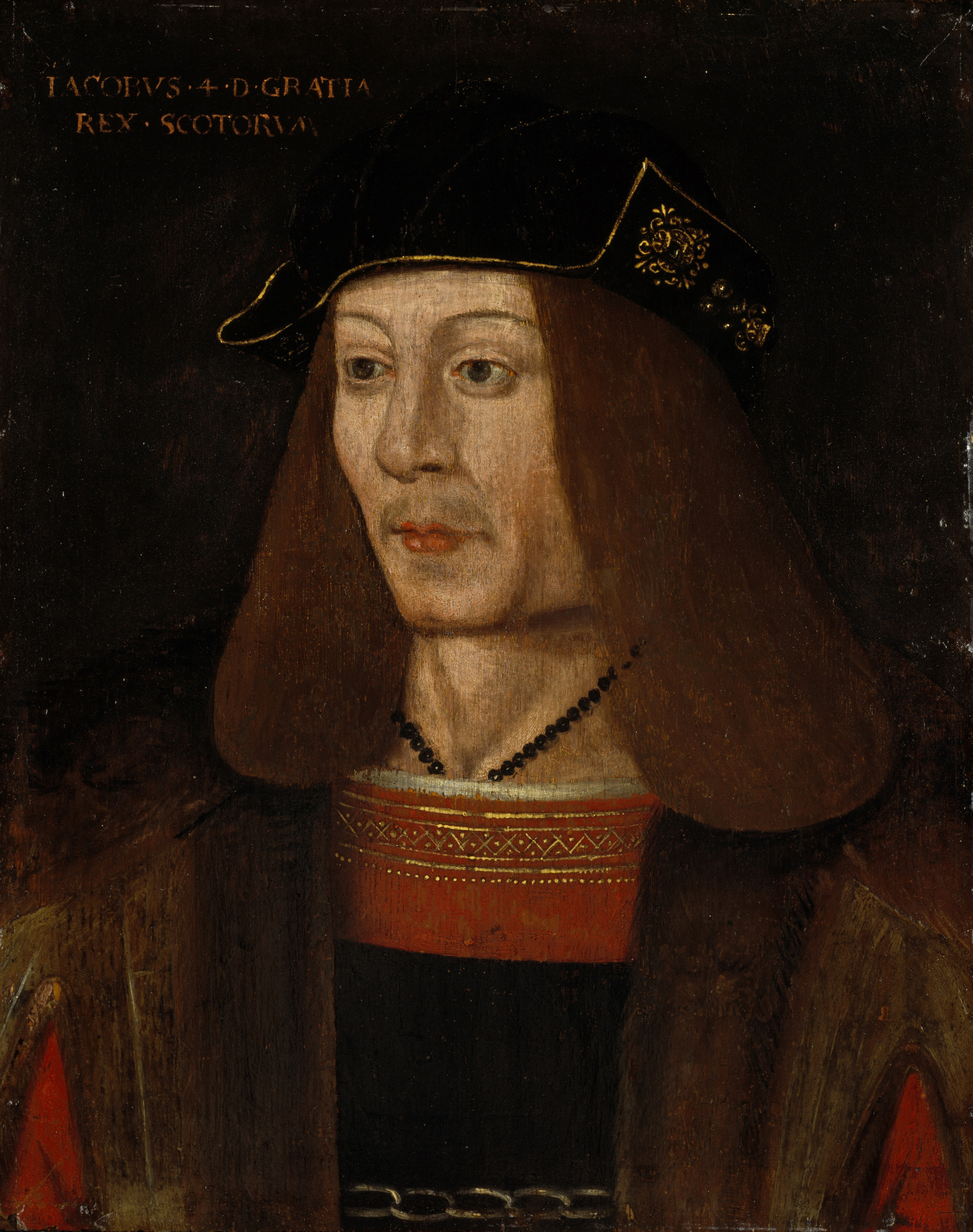
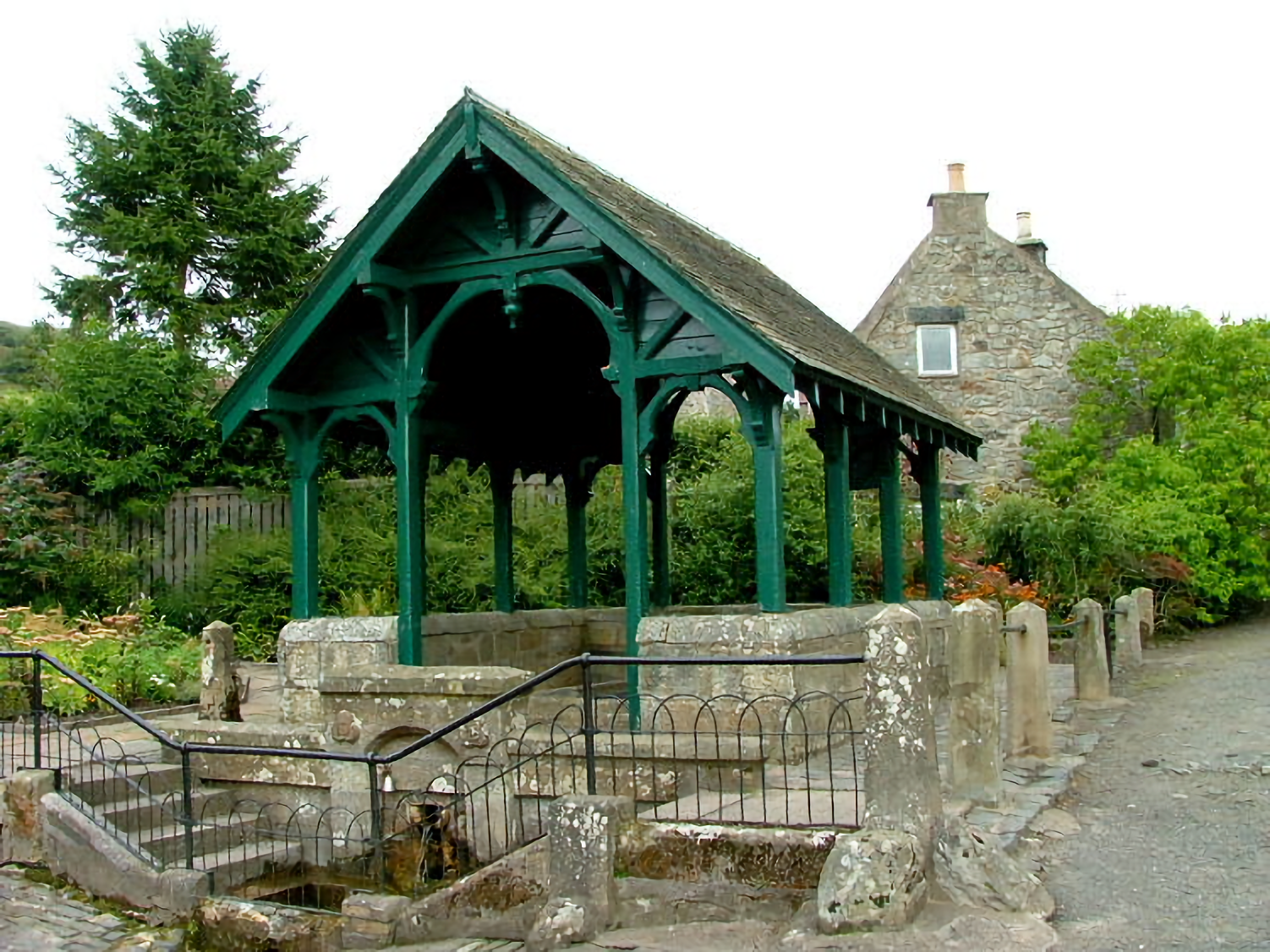
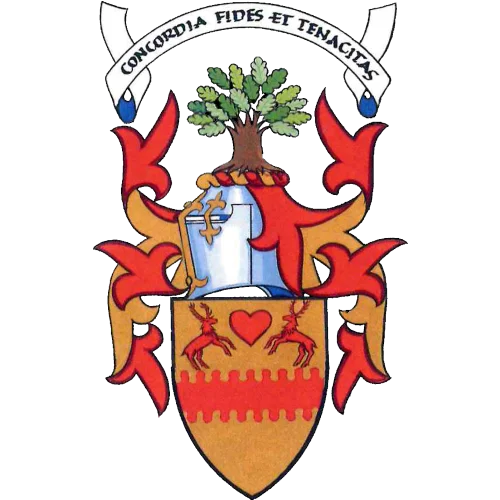
David of Arnot was one of many Scots nobles who swore fealty to King Edward I of England in August 1296 after the king had invaded Scotland. By 1507, King James IV had erected the lands of Arnot into a barony for Walter Arnot. The barony once contained Scotlandwell with its famous holy well and curative waters which have been famed ever since Roman times, becoming a place of pilgrimage in the medieval period.
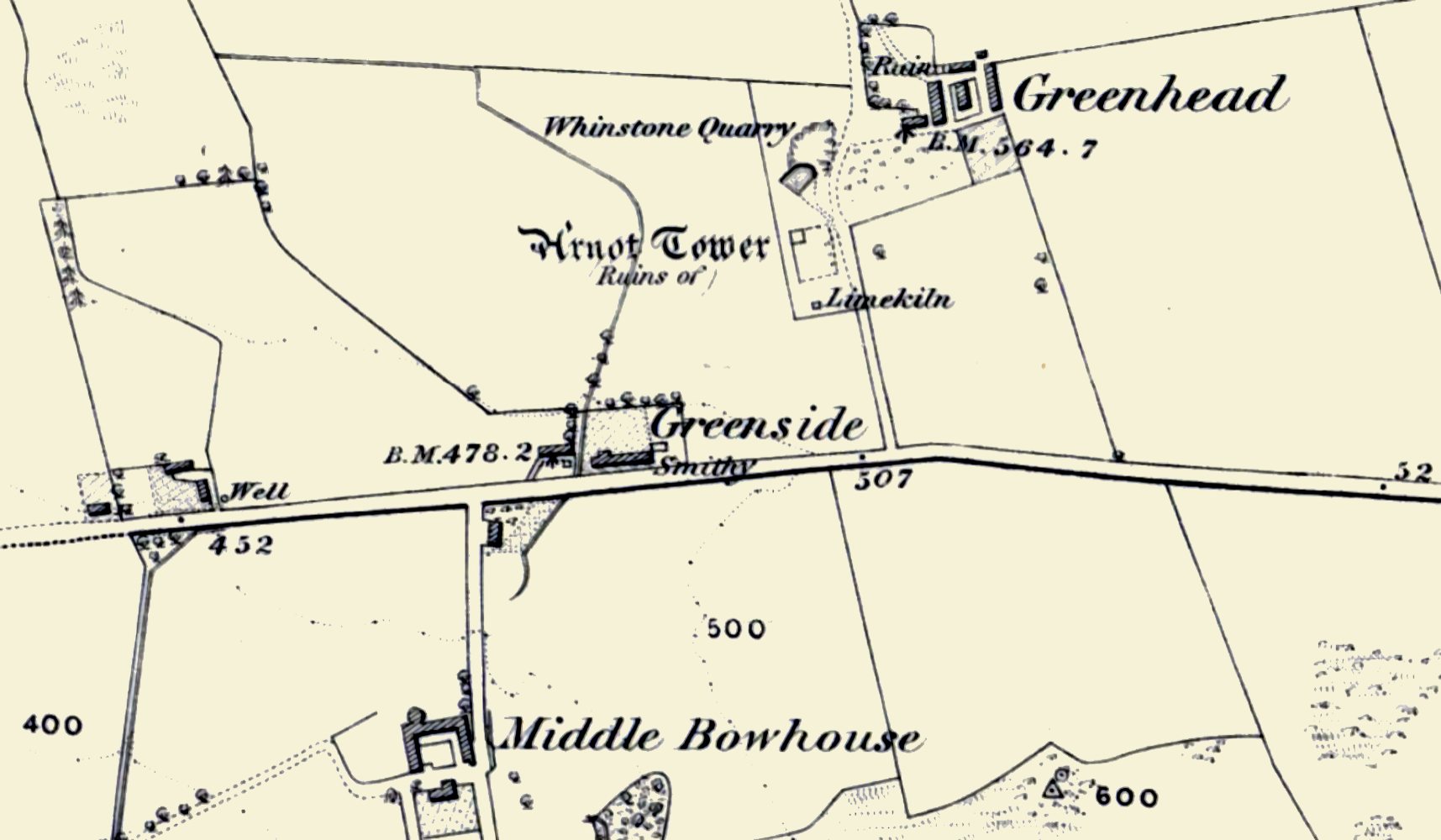
Arnot Tower was built at around this time, though this may have replaced earlier fortifications. Today it lies in ruins. It is said that when an ambassador was sent by King Henry VIII of England to King James of Scotland at St Andrews, three yeomen and three landed gentlemen competed in an archery contest with six of the ambassador’s retinue. David Arnot of Arnot was one of the Scots archers. They beat the English and claimed the prize of a hundred crowns and a tun of wine.
During the Wars of the Three Kingdoms, Sir Michael Arnot of Arnot and his son Charles, who succeeded his father as baron, Served as colonels. Charles may have fought at the disastrous Battle of Dunbar in 1650, when a Scots army supporting the new King Charles II was crushed by the English under Oliver Cromwell. For many years Scotland was under English occupation, and many supporters of the Stuart monarchy were fined. It may be that this contributed to the financial difficulties of the Arnot family, as David, son of Charles, spent much of his life pursued by creditors. David was recognised as heir to the Arnot estates in 1670 and sat in Parliament several times as Commissioner for Kinross.
In 1697, Sir William Bruce, Baronet of Kinross, claimed the teinds of Arnot, possibly in part payment of debts that David owed to him, and it seems that in 1705 the lands and Barony of Arnot were granted to Bruce. Bruce was a famed architect credited for many important buildings in Scotland. For a time Arnot was once again held by the Arnot family in the person of Sir John Arnot, who rose to become a general in the British army, but was returned to the Bruce family from the middle of the century. The family continued to be prominent members of British society, particularly in the colonies.
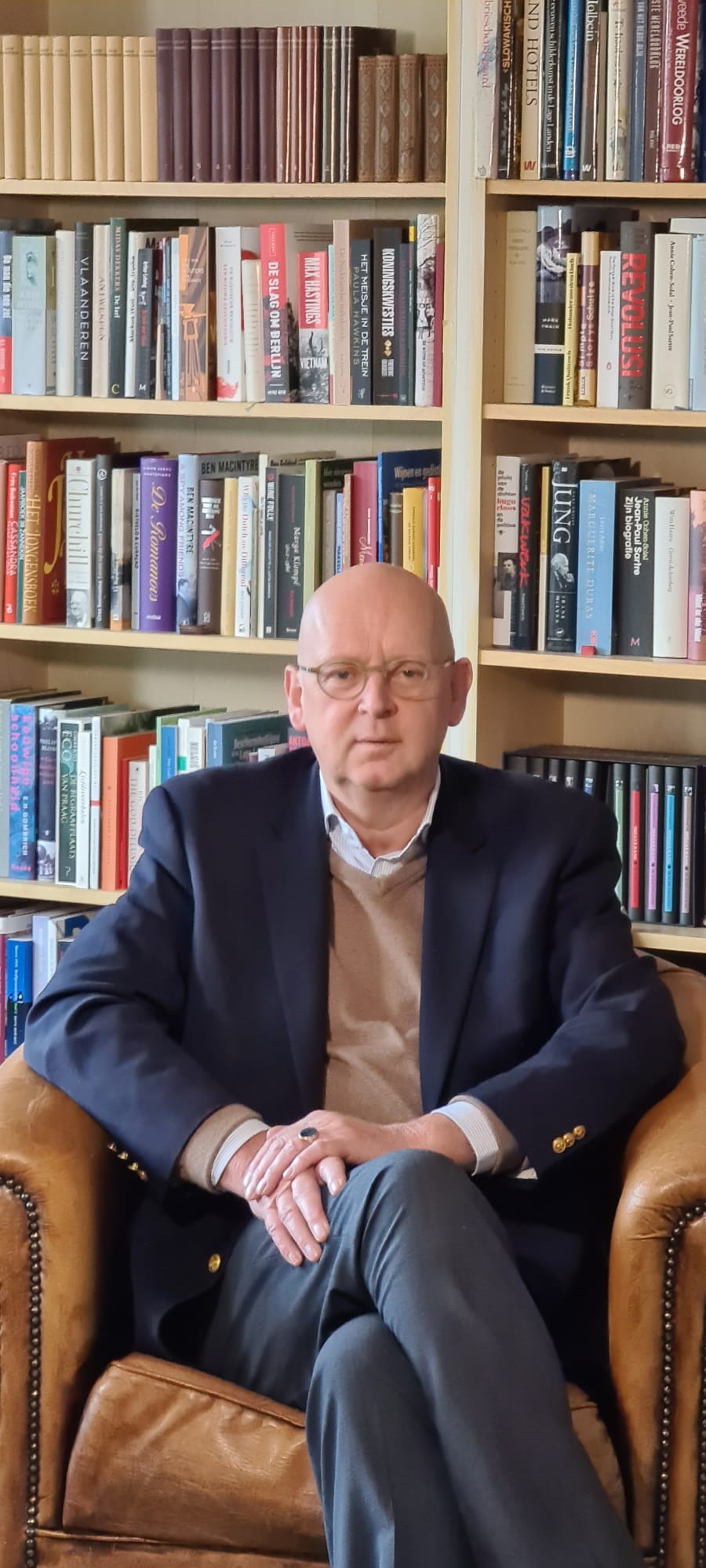
Thomas Bruce of Arnot was District Commissioner of Jessore, Bengal in the service of the East India Company. His son Charles became Professor of Sanskrit at the University of Cambridge before going on to have a successful career in British colonial service as governor of Guiana, Mauritius and the Windward Isles. Since 2016, the dignity of the barony has been held by Willem Blanken.