Chapter 1

Early History and Origins

As with anything of such great antiquity, there is no single date for the origin of Scottish feudal baronies.

We cannot trace them to one moment partly because so little documentary evidence survives from the period of their early development. There is also something in the nature of the baronage that calls to the most basic forms of human organisation. There were certainly entities resembling baronies ever since the early people of Scotland first offered allegiance to strong men who became local rulers.

According to the former Lord Lyon, Sir Thomas Innes of Learney:

The Baronage is an Order derived partly from the allodial system of territorial tribalism in which the patriarch held his country “under God”, and partly from the later feudal system… in which the territory came to be held “of and under” the King (i.e. “head of the kindred”) in an organised parental realm. [1]

Moving into recorded history we find the existence of parcels of land ruled with some degree of autonomy. In the first millennium AD the Gaelic and Pictish rulers in what is now Scotland rewarded subjects with areas of the land in return for service and loyalty. Around the eleventh century the kingdom known as Alba or Scotland was ruled over directly by the Crown or by powerful regional mormaers, or earls. Kings and earls designated ‘thanes’ to run parts of their estates, which came to be called ‘thanages’. This term and system appear to have been borrowed from the Saxons ruling in southern Scotland and England.

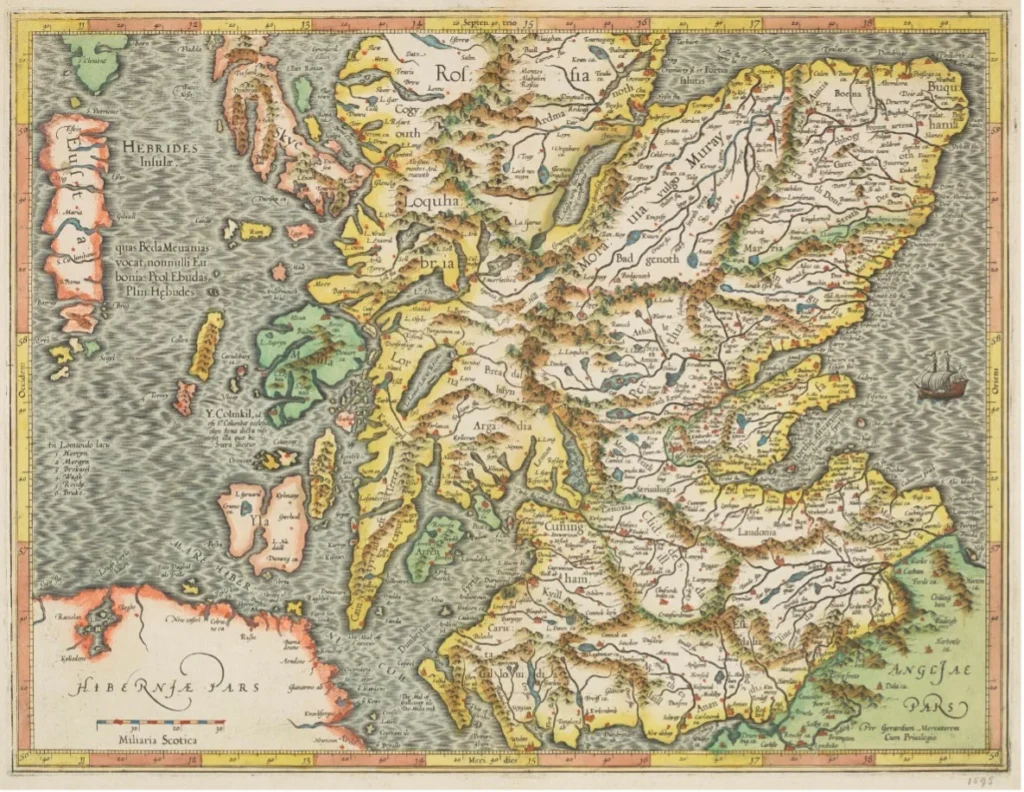
Figure 1: Map: ‘Scotiae Regnum’ South of Scotland 1595 (Ex Mercator) | National Galleries of Scotland. Unknown artist.
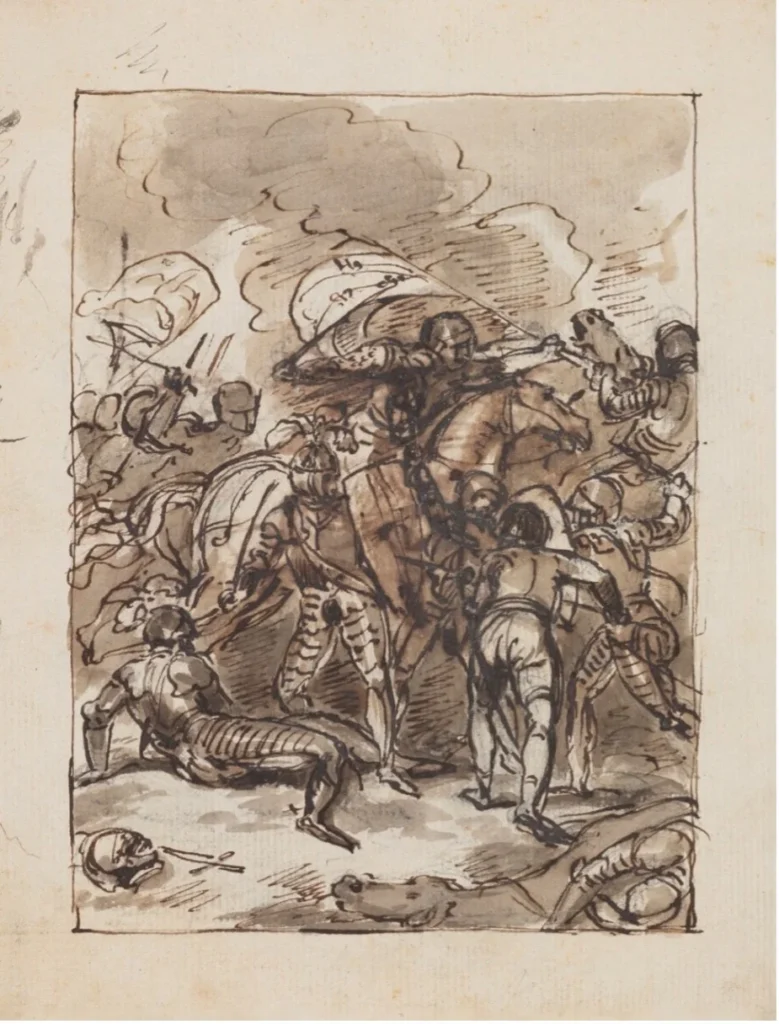
Figure 2: A Medieval Battle | National Galleries of Scotland. Robert Smirke.

It is from this system the feudal baronage developed, resting upon the society that was already in place.

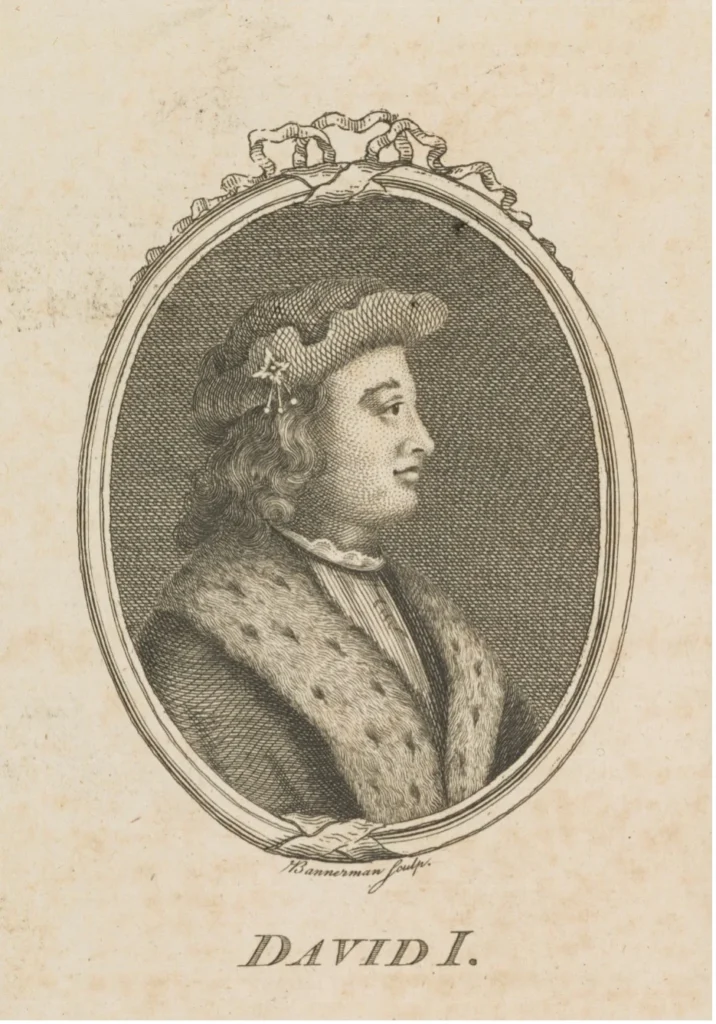
In the early twelfth century King David I invited men of Norman and Flemish descent to Scotland to fight for him. In return they were rewarded with land and status. The name ‘baron’ is itself an Old French term for an important man. Therefore, there was not just an influx of men and a resettling of land but a deeper change in the fabric of society. It is in this period we see the feudal system instigated in Scotland, establishing a hierarchical rule over people and land.

This system is well described by the historian Bruce Durie:

At first feudal earldoms and baronies were held from the Crown by military service, requiring a specified number of knights for a defined period (normally forty days) when requested…[Earls and barons in turn] sub-feued part of their lands to these knights, held of them by knight’s service (knights’ fees), and the knights might in turn sub-feu parts of these lands to other vassals, as husbandmen (tenant farmers) and so in an a hierarchy down to the final vassals, who might have serfs and others to work the land.[2]

In return, those who received land owed their feudal superior a form of service such as through farming their lord’s land, presenting goods or providing military assistance. While this is often considered a military system, it was primarily a ‘familial and economic’ one, and over time forms of service were increasingly replaced by payment of teinds in the form of produce or money.[3]
Very quickly the feudal system proved immensely popular in Scotland and ‘took root as a means of consolidating and preserving the earlier clannish institutions’.[4]

By granting this land the king expected service but also that his earls and barons ‘would rule, administer, dispense justice and generally look after that land in the sovereign’s stead’.[5] The nominal centre of the land granted as a barony was the ‘caput’ or ‘head place’, usually a building such as a castle.

Many of the new men that King David I and his successors Malcolm IV and William I brought in were granted land in the feudal system. This land was either taken out of their own Royal possessions or from estates forfeited into Crown hands. Many of the older powerful lords were brought into the system, such as the earls, successors of the great provincial mormaers.

In addition to baronies the feudal baronage also came to include a small number of lordships and an even smaller number of earldoms containing vast swathes of land. The thanages remained also, and until the fourteenth century existed alongside baronies until most of them became baronies themselves.[6] In a long process over the twelfth and thirteenth centuries much of Scotland became ‘feudalised’ and baronies came to ‘dominate the localities’.[7]

Figure 3: David I, 1108 – 1153. King of Scots | National Galleries of Scotland. Alexander Bannerman.