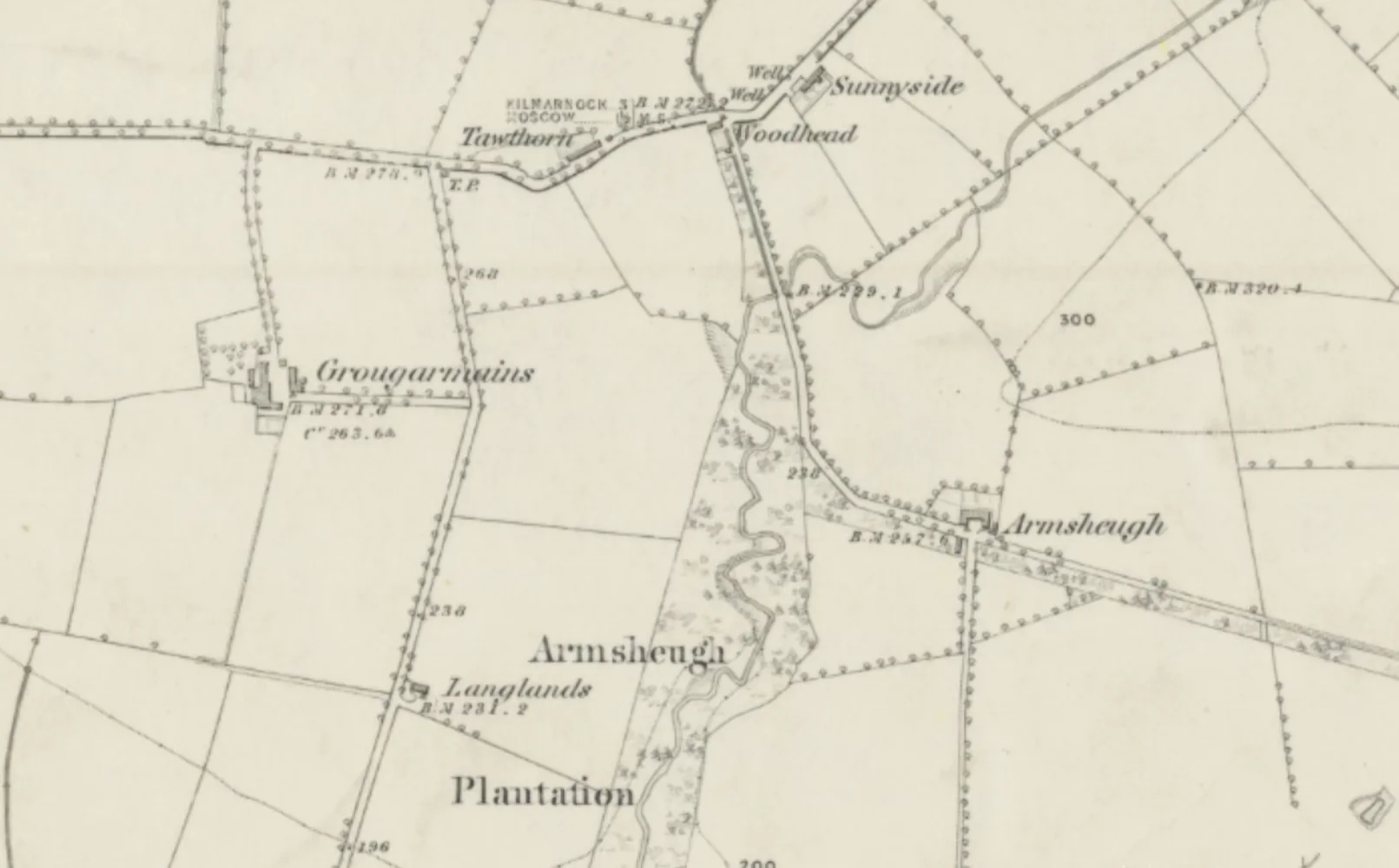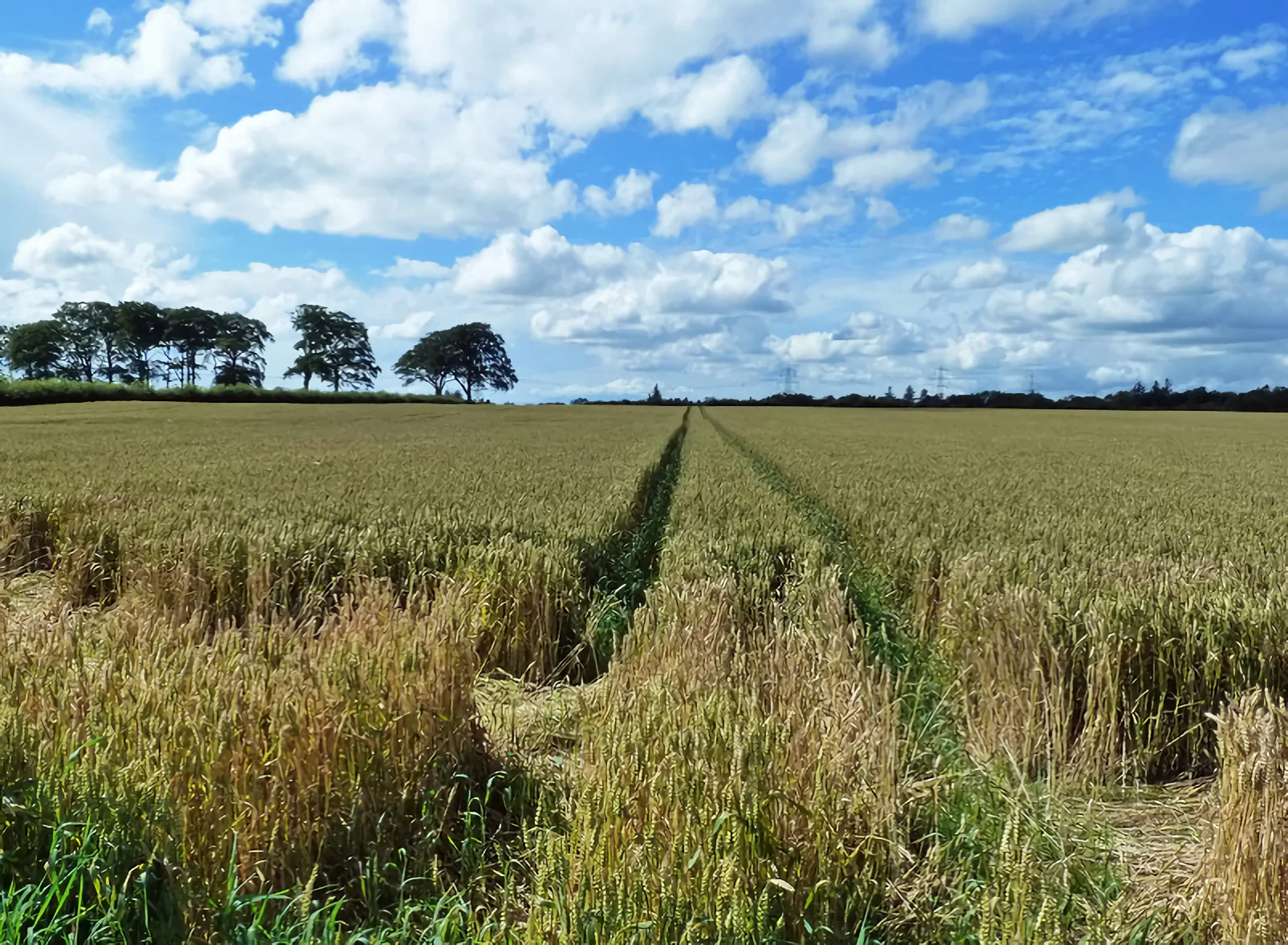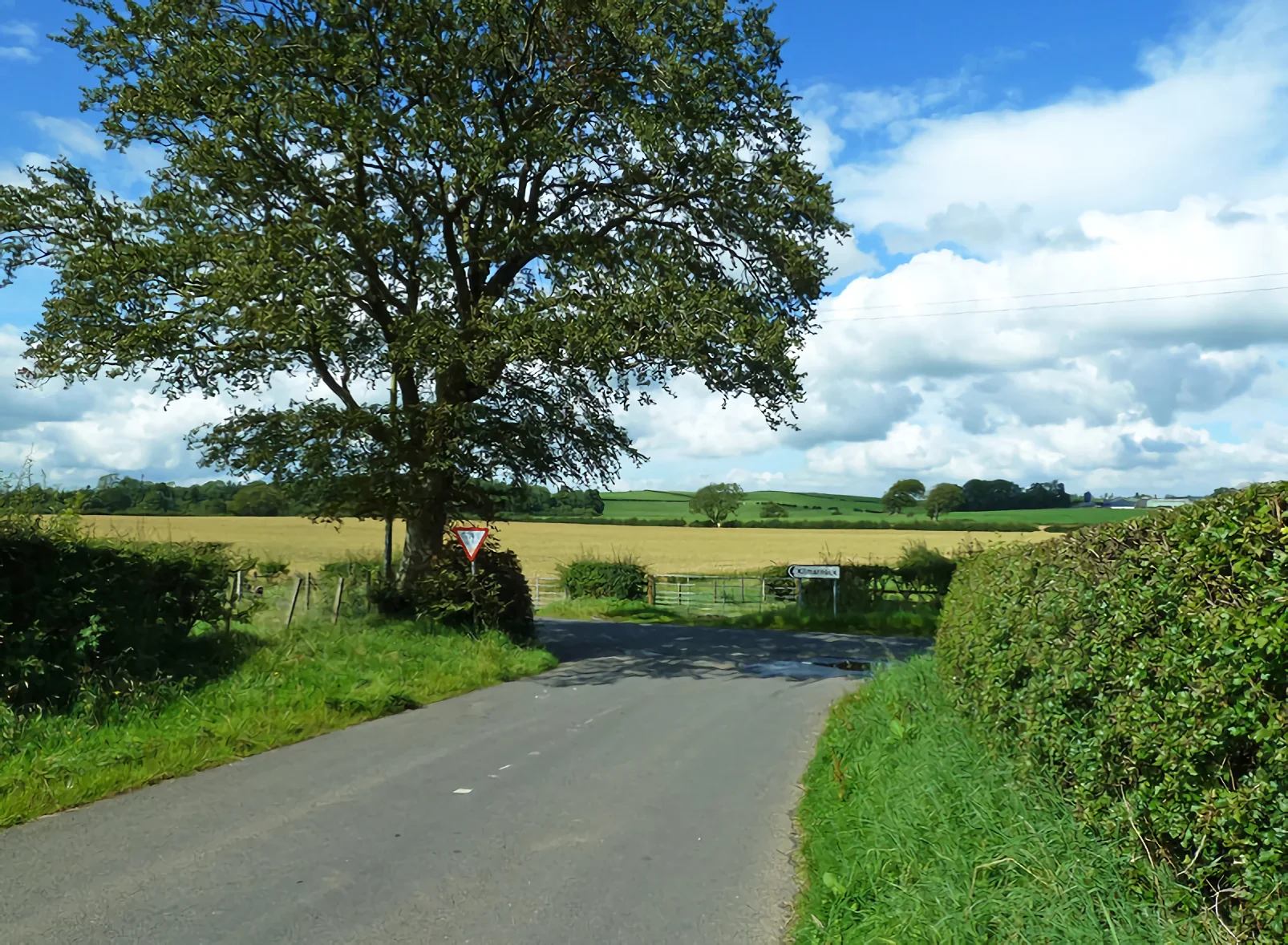

Grougar lies in north Ayrshire to the east of Kilmarnock. The district was formerly known as Cunninghame and is known for its high-quality arable land to this day.
Grougar appears to have been in the possession of the De Morvilles, a family of Norman descent who came to Scotland in the twelfth century. Hugh de Morville was a prominent man who served as Constable of Scotland.
Following the Wars of Independence, Grougar was granted by Robert the Bruce to his supporter Sir Robert Cunningham of Kilmaurs. Around 1395, Sir Robert Logan of Restalrig who had married a sister of King Robert III, received Grougar from the Crown. He was a great man of his time and aided in the expansion of the port of Leith, which lay on his lands. Grougar continued to be held by the Logans of Restalrig to the end of the sixteenth century when the family came to financial trouble and parted with many of their lands. It is in this way that John Graham of Knockdolian acquired the barony.
Grougar was only held by the Grahams for a short time. In 1616, a charter for Grougar was granted to Robert, 7th Lord Boyd, who was a Justice of the Peace and a Member of Parliament. His son Robert, 8th Lord Boyd, was also a JP and a supporter of the Covenanting movement from 1638. His uncle James, 9th Lord Boyd who succeeded in the estates, was a Royalist during the Wars of the Three Kingdoms in the middle of the century. William, 10th Lord Boyd, was made Earl of Kilmarnock by King Charles II in 1661.
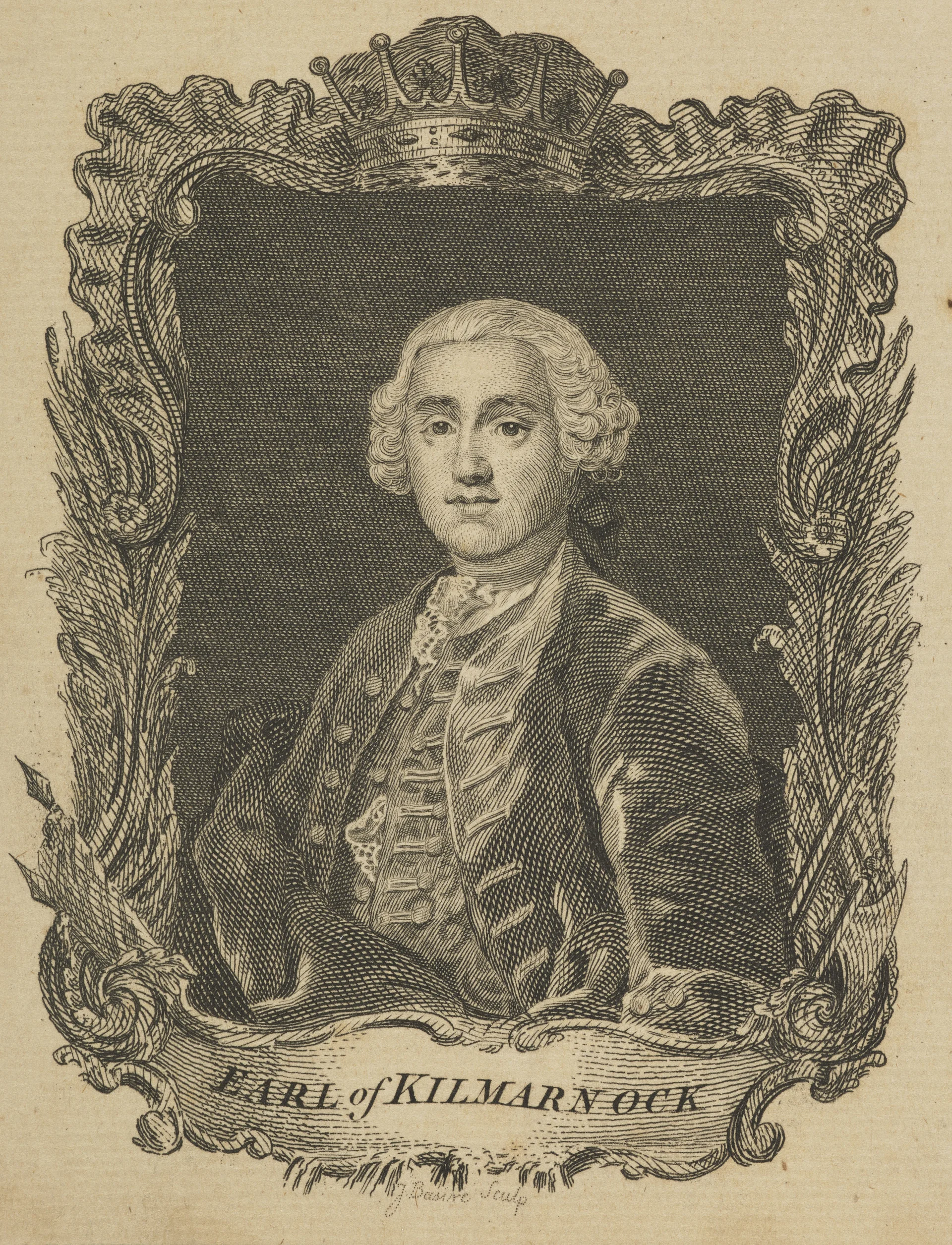
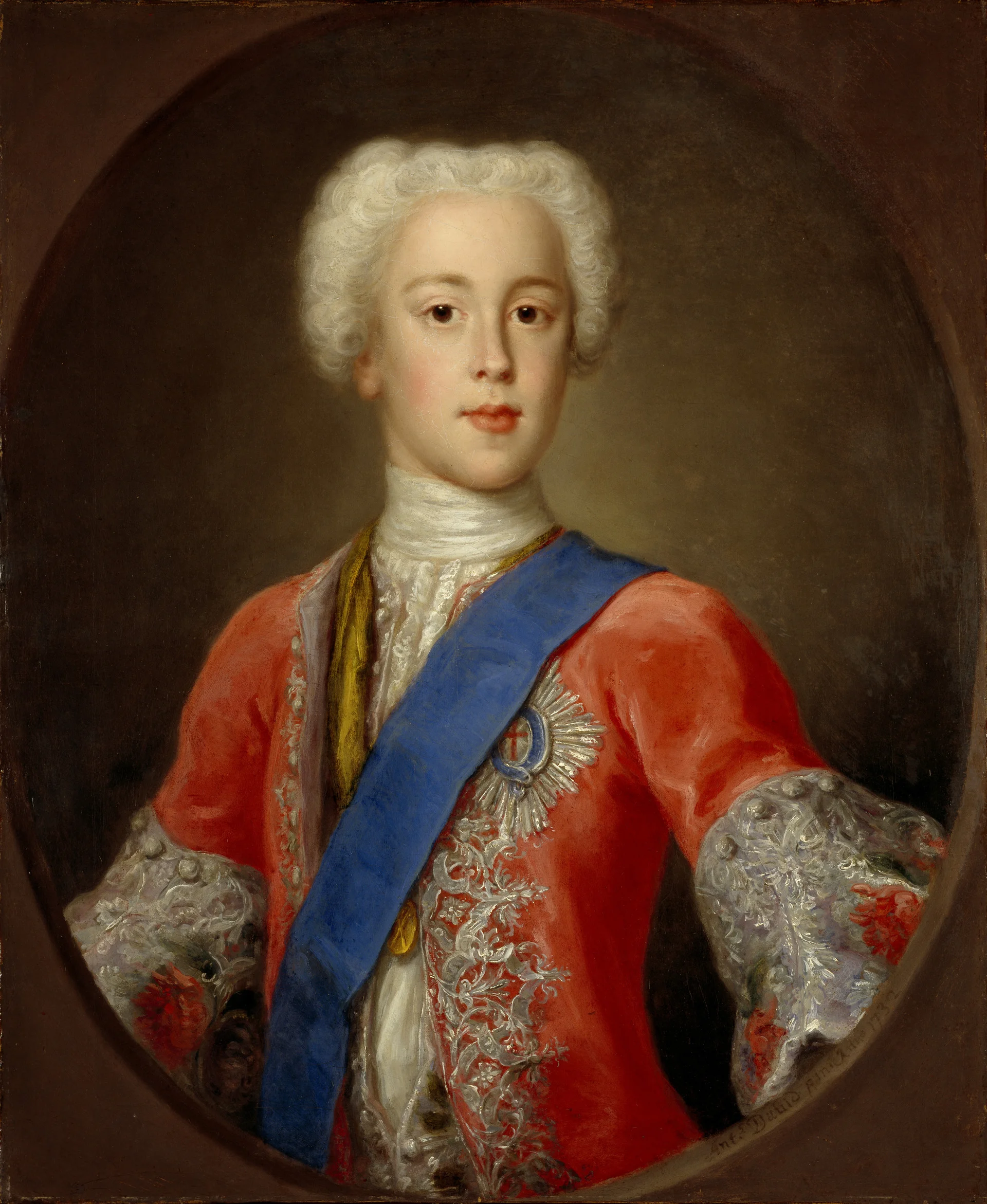
The family were important players in British affairs over the following century. William, 3rd Earl of Kilmarnock was a firm supporter of the Union with England which eventually occurred in 1707. During the Jacobite Rising of 1715 he raised 500 men to support the government. However, his son William, 4th Earl of Kilmarnock, was a committed Jacobite and joined Bonnie Prince Charlie during the Rising of 1745. He was entrusted as a Privy Counsellor and joined the army, rising to the rank of General and participating in the battles of Falkirk and Culloden in 1746, where he was captured. Kilmarnock was executed as a Jacobite rebel in 1748. It is said he was refused pardon because it was believed he had given an order before Culloden that no quarter be given to enemy prisoners. His lands and titles were forfeited to the Crown. As with many Jacobite landowners, his lands were sold to speculators.
Following the downfall of Kilmarnock, Grougar was purchased by Sir George Colebrooke. Colebrooke was a banker, MP and Chairman of the East India Company. Despite great success early in his life, he was bankrupted during the 1770s, and many of his estates were sold to pay his debts. Grougar was bought by William Blane around this time and remained with his descendants well into the nineteenth century. In the early twentieth century Grougar was held by the Cavendish-Bentinck Dukes of Portland.