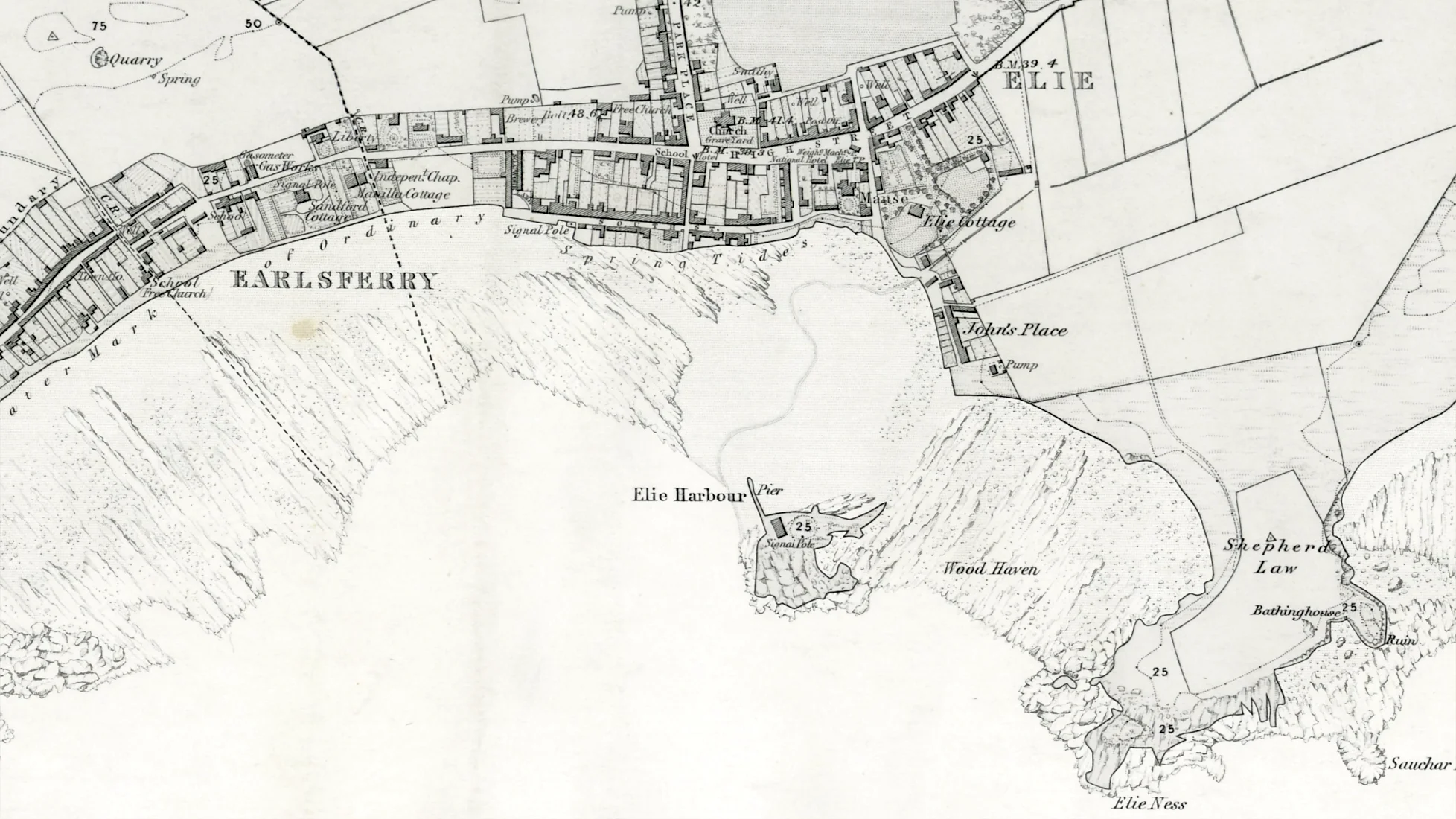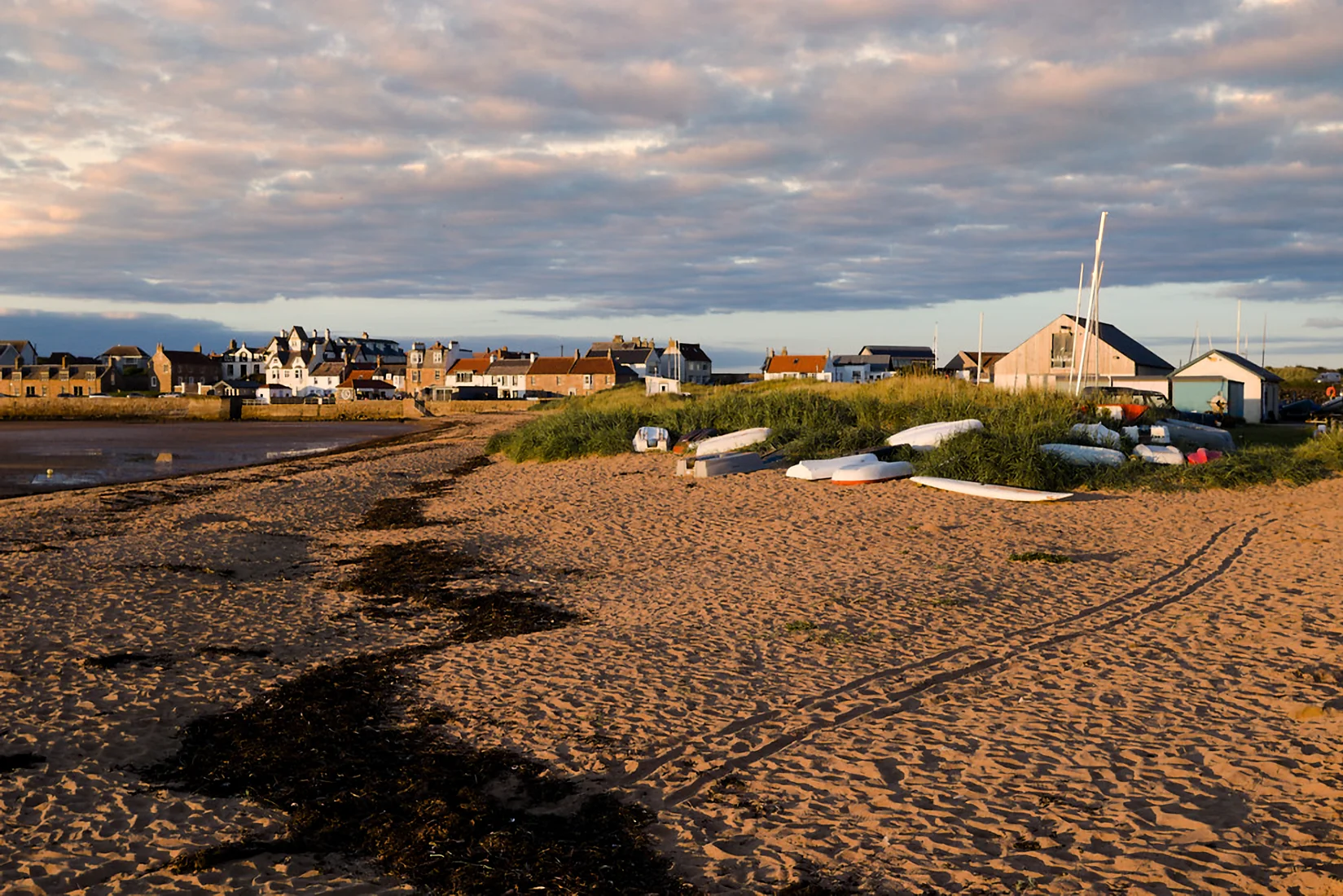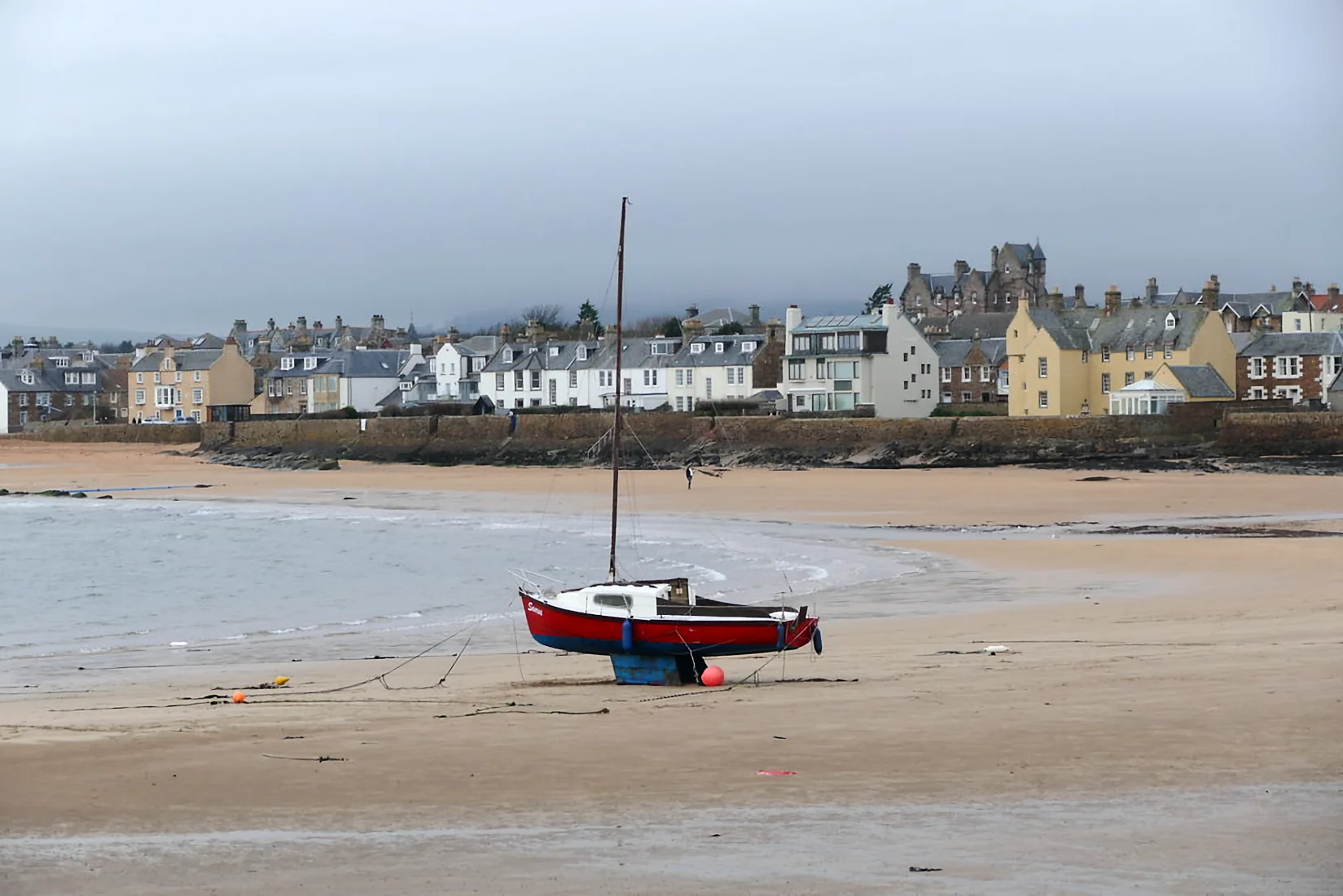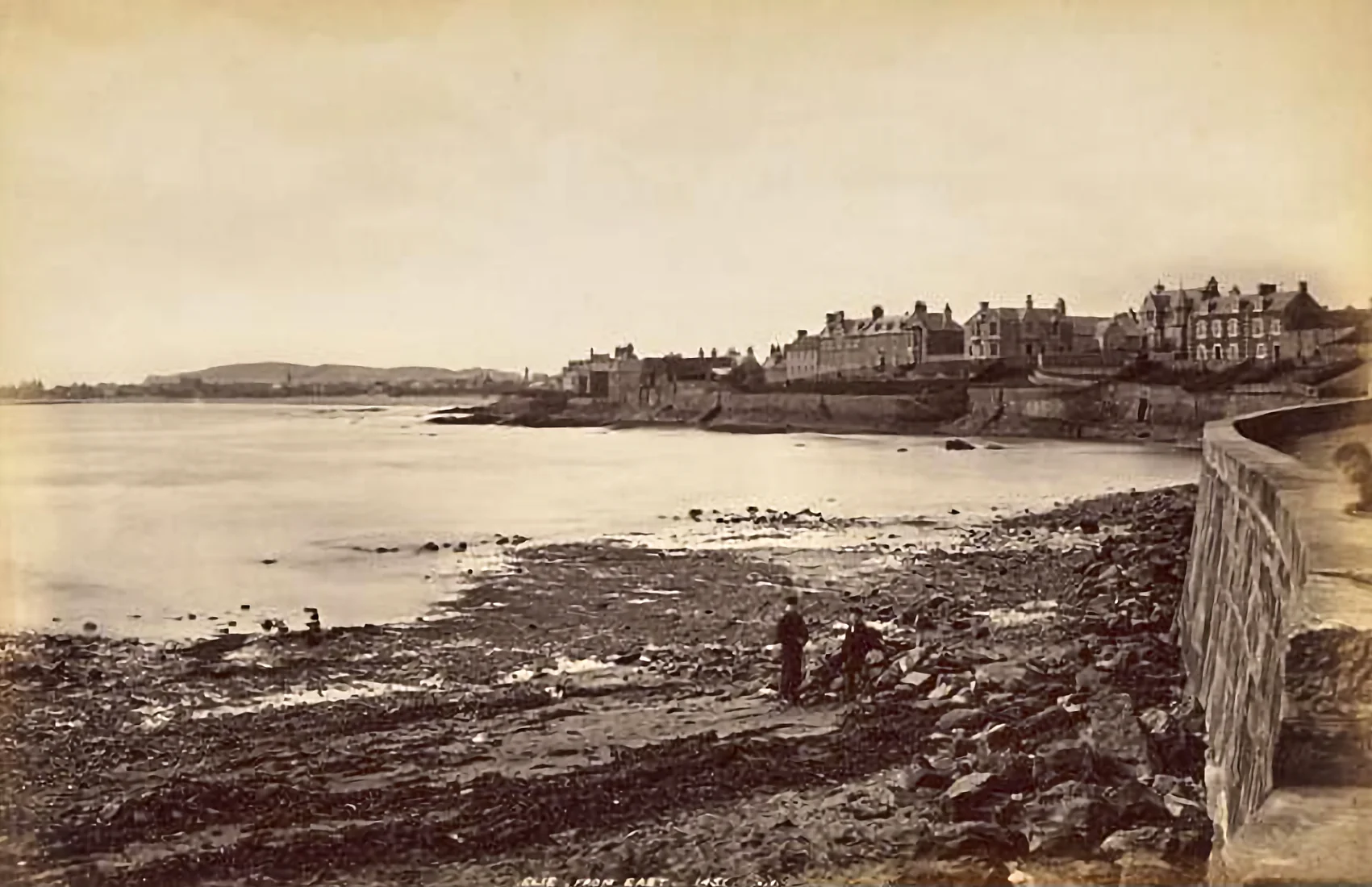
Elie is a town at the head of a bay of the same name on the coast of south-east Fife, an area called the East Neuk. The name Elie is of uncertain, ancient, origin though possibly comes from the Gaelic èaladh ‘a passage for boats between two rocks’ referring to a large rocky tidal island which once stood just off the shore and over which the harbour was later built. This harbour has long been important for fishing, trade, and tourism.
The lands of Elie were held by the Dishington family from around 1400. In the late sixteenth century, Elie developed as an important harbour and was made a Burgh of Barony by King James VI. It was around this time that the lands passed to William Scott of Grangemuir. Scott was Director of Chancery for the King of Scotland, one of the country’s senior legal positions and responsible for charters, patents and writs, among other documents. In 1599, the king erected Elie into a barony, which he granted to Scott. In this period, the Scott family built a house at Elie and had their lands made into a separate parish, erecting a kirk for the use of the people. The family held the Barony of Elie until the end of the century, when the estate was bought by Sir William Anstruther, an MP and a Lord of Session.
Sir John Anstruther was created a baronet of Nova Scotia in 1700 and served as a Member of Parliament between 1702 and 1741. His son Sir John Anstruther, Baronet made major additions to Elie House built by Sir William Anstruther, and improvements to its gardens. This included clearing a hamlet to improve the view. It is said that an old woman whose home was demolished during these works cursed the family so that only six generations would live at Elie, which turned out to be true.
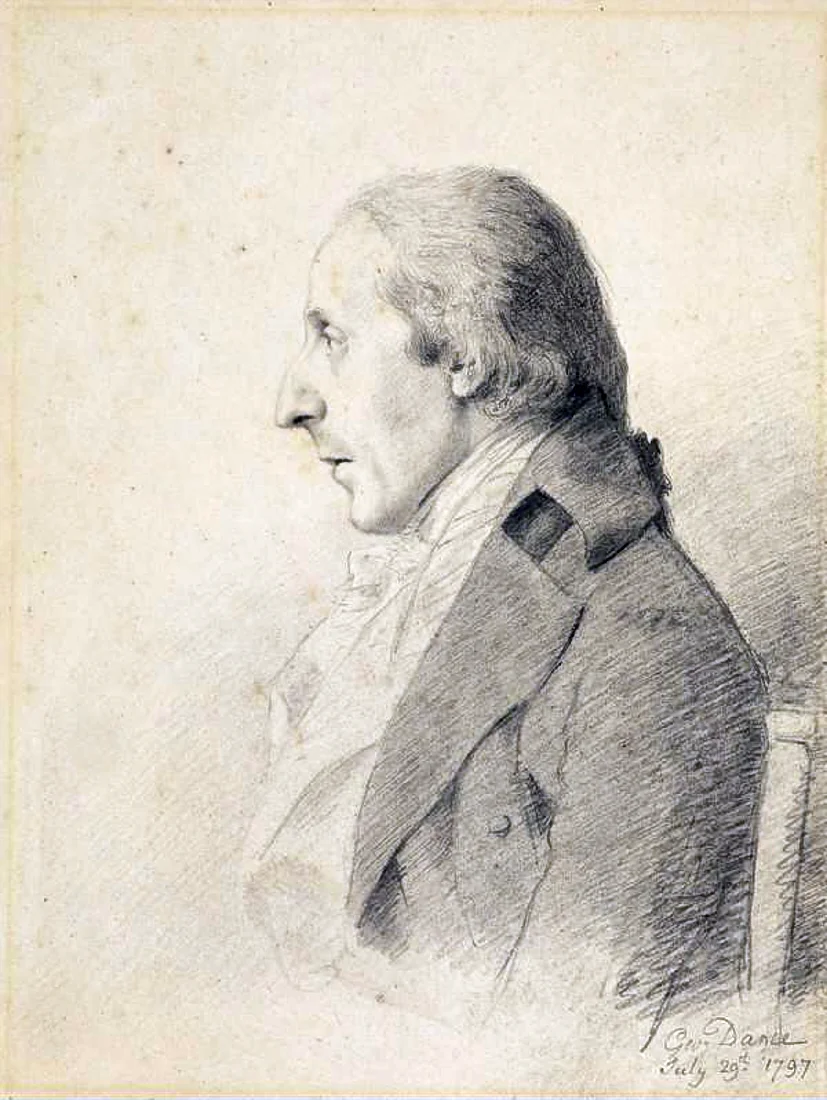
Sir John Anstruther of Anstruther and Elie, Baronet, was a lawyer, agricultural improver and MP. In parliament he was a supporter of the administration of Lord North and took a leading role in the famous impeachment of Warren Hastings of the East India Company. His son, John Anstruther of Anstruther, Baronet, was also an MP, rising to become Solicitor General to the Prince of Wales, Chief Justice of Bengal, and was appointed a Privy Councillor in 1806. Sir Windham Carmichael-Anstruther, Baronet, was an officer of the Coldstream Guards and fought in the Peninsular War against Napoleon’s army. However, he lost the family fortunes, and had to sell his Anstruther estates, including the Barony of Elie, to William Baird in the 1850s.
Baird was the son of a farmer and became an industrialist, who, with his brothers, worked to became wealthy through coal and iron, eventually coming to be a millionaire and MP. His son, William Baird of Elie, who succeeded him in his estates, was an officer in the British Army and a JP. The Barony of Elie remained with the Baird family into the late twentieth century.