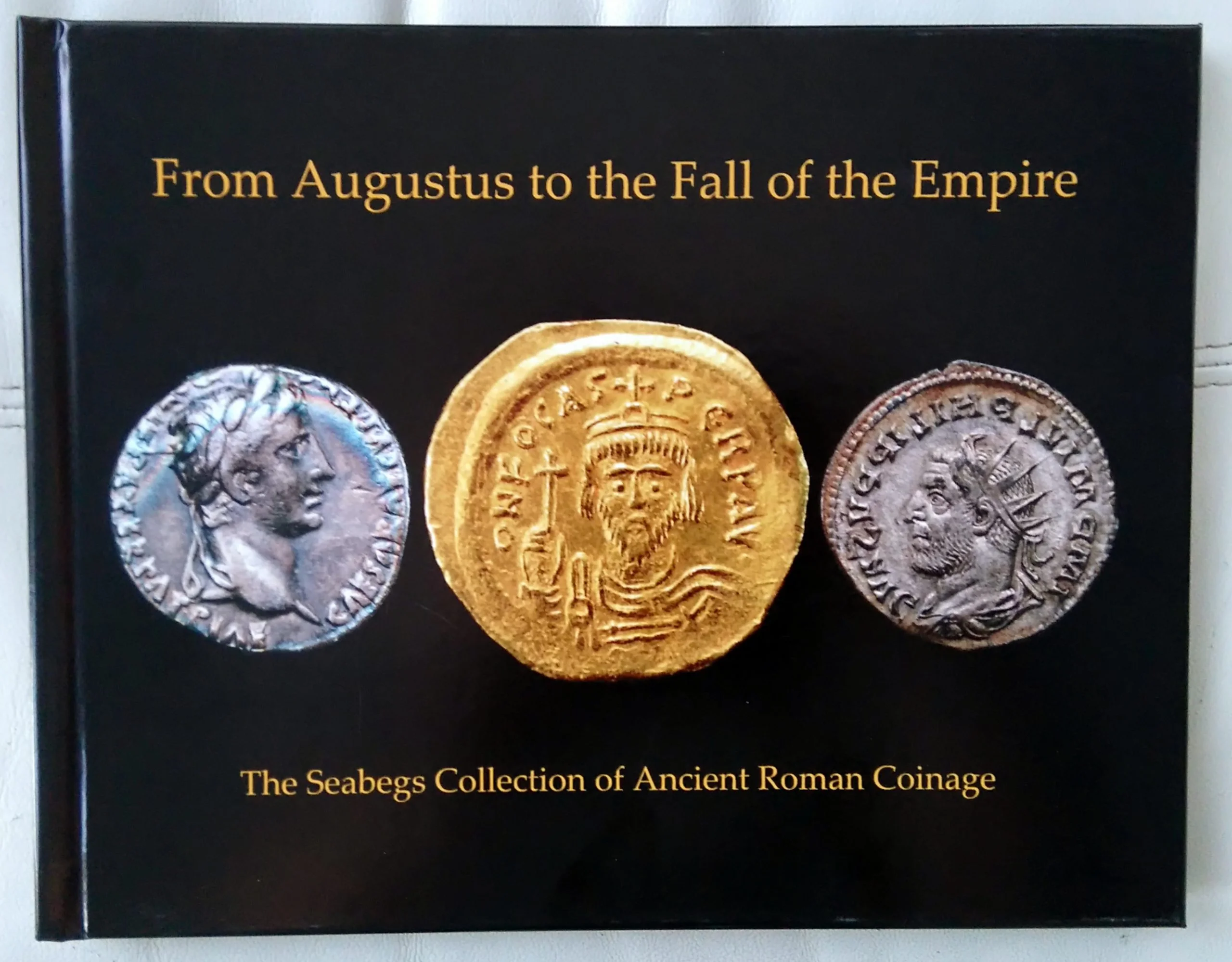
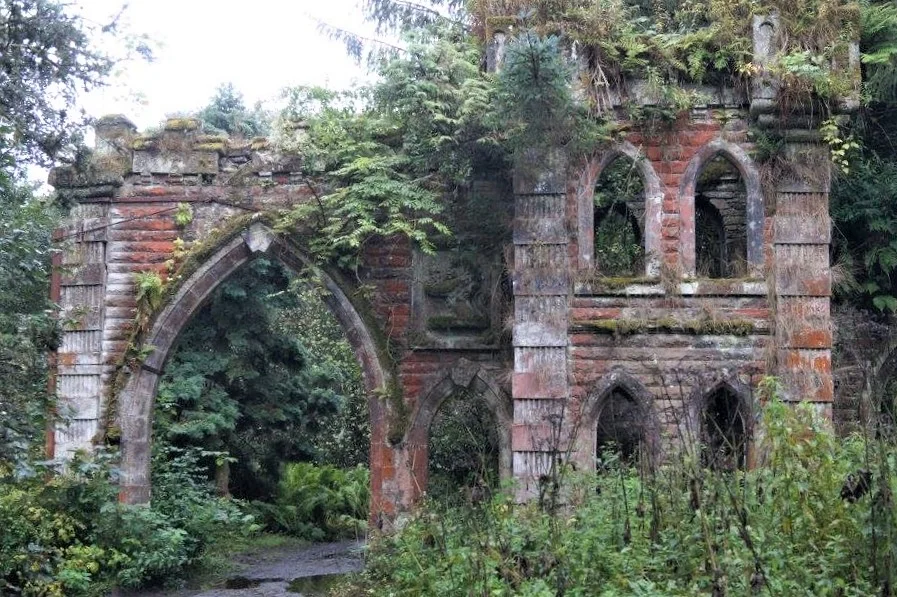
The current Baron, Dr George M Burden, donated the extensive Seabegs Collection of gold, silver and bronze ancient Roman coinage to his alma mater, Dalhousie University, in 2016.
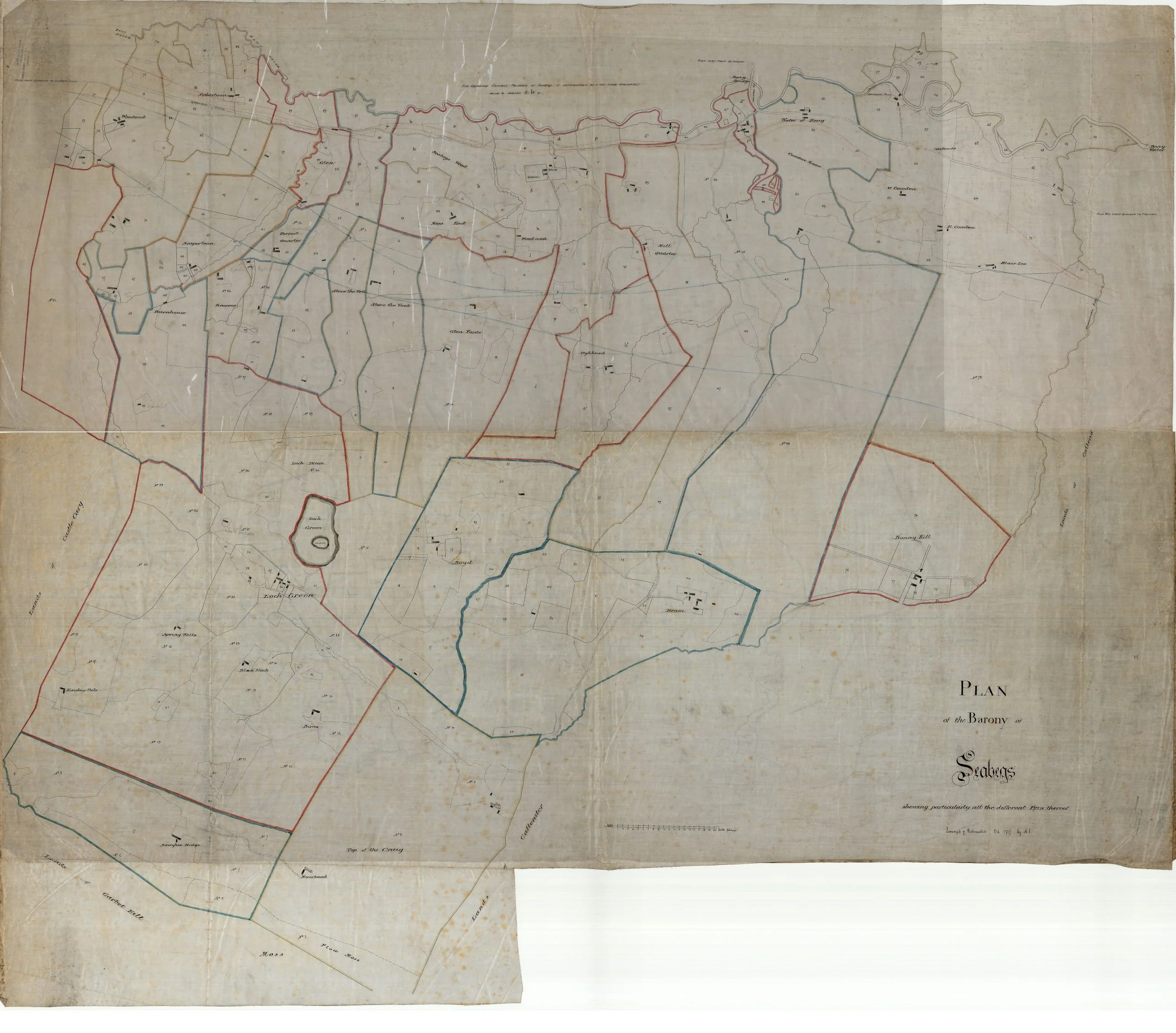
Seabegs is an anglicization of the Gaelic seybeggis, meaning ‘The dwelling place of the faerie folk’, likely due to the presence of a round glacial drumlin known as ‘Elf Hill’ within the barony. The barony dates back to the 15th century, its earliest mention being in a letter received by King James II from John Porteous referring to ‘the Lordship of Seabegs, Stirlingshire.’ On 15 March 1543, Mary Queen of Scots confirmed the lands of Seabegs with its mill and the calling of chaplaincy of the Chapel of St. Helen to the barony.
Though the original medieval chapel was torn down in the 1960’s, remnants are extant. Dr Burden has exercised his prerogative as recorded in The Charter of the Great Seal of Scotland by granting the (honorary) chaplaincy to be shared between Father Peter Noel Lamont of that Ilk, Chief of Clan Lamont, and Father (emeritus) Henry Capstick of Halifax, Nova Scotia. In the mid 1700’s, then Baron of Seabegs, Sir Lawrence Dundas, built the Forth and Clyde canal which runs through the barony, and his heir, Sir Thomas Dundas, commissioned William Symington to build the world’s first practical steamboat, the Charlotte Dundas, to be used on the canal.
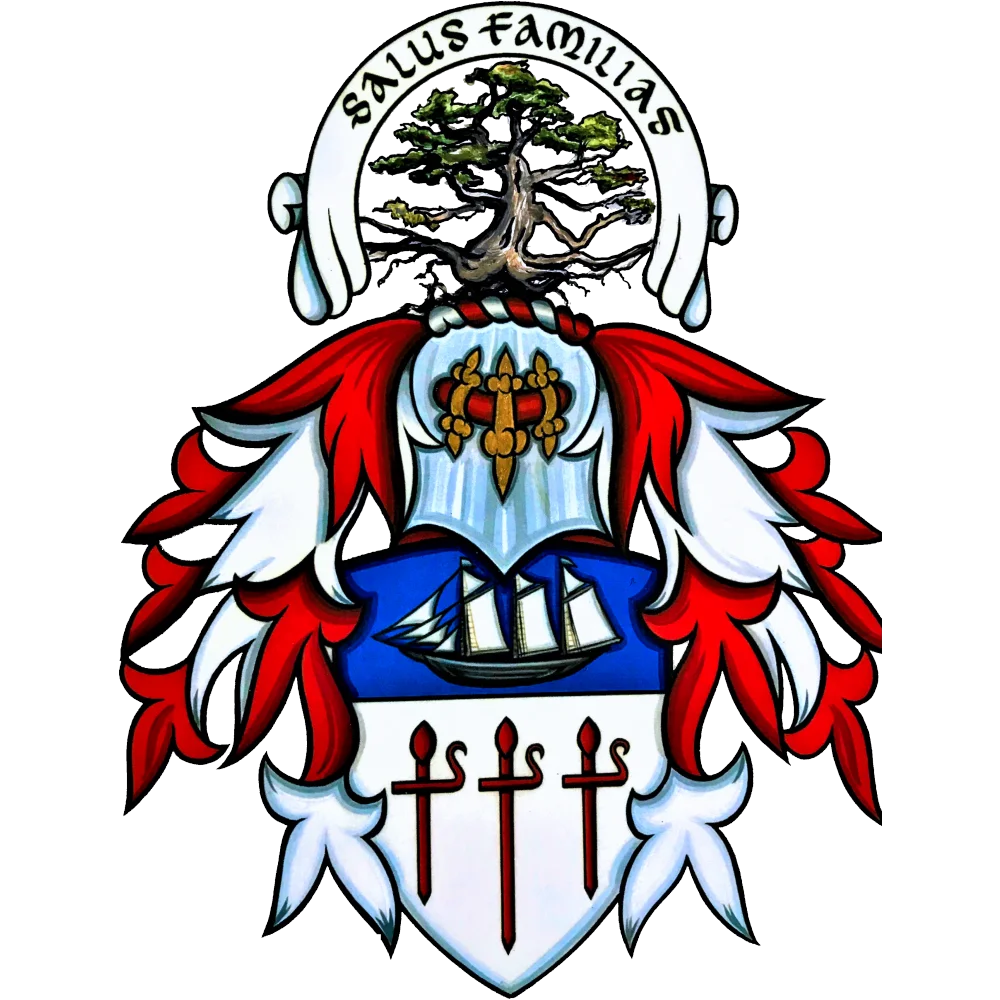
Dr George Burden, Baron of Seabegs matriculated Arms with the Lord Lyon King of Arms on 29 April 2014. He is a ceann tighe (chieftain) of Clan Lamont and represents his clan chief on the Standing Council of Scottish Chiefs. Dr Burden practices medicine in the bucolic Canadian province of Nova Scotia (New Scotland) and summers at Seabegs Cottage in Chester on St. Margaret’s Bay.