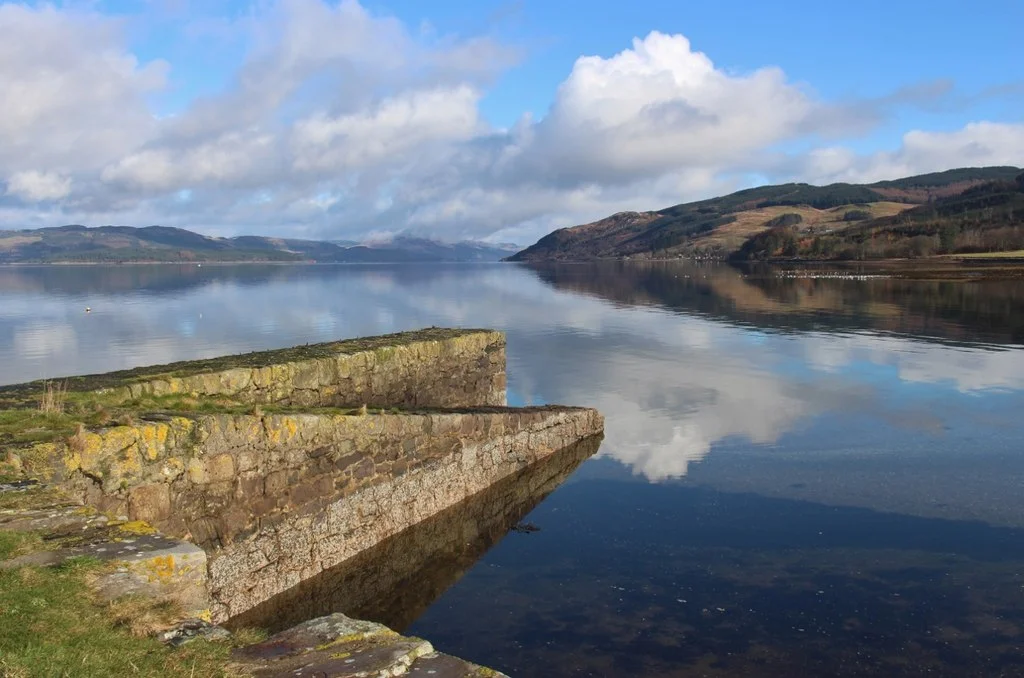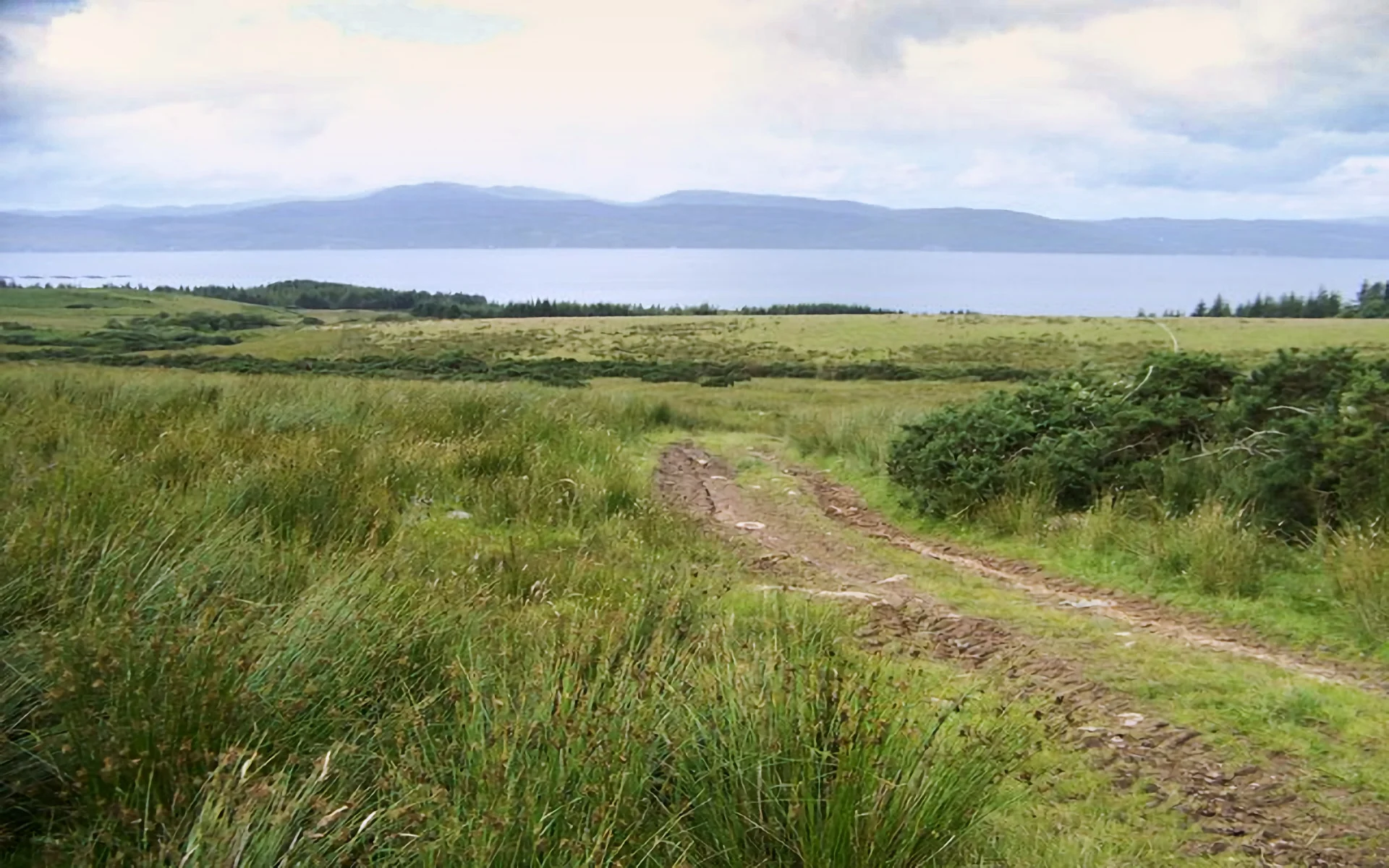
The lands of and surrounding the barony have been in human occupation since the early Neolithic period. At Ardnadam there is evidence of a settlement of five structures and perhaps a chambered early Neolithic tomb. On the same site is evidence of a late Neolithic house. Later were added postholes and a mound, probably in the Bronze Age, before we lastly have evidence of a collection of Iron Age roundhouses, enclosures, and other structures including a nearby cairn. Across the barony at Kilfinan, which includes Otter Ferry, there are tall standing stones.
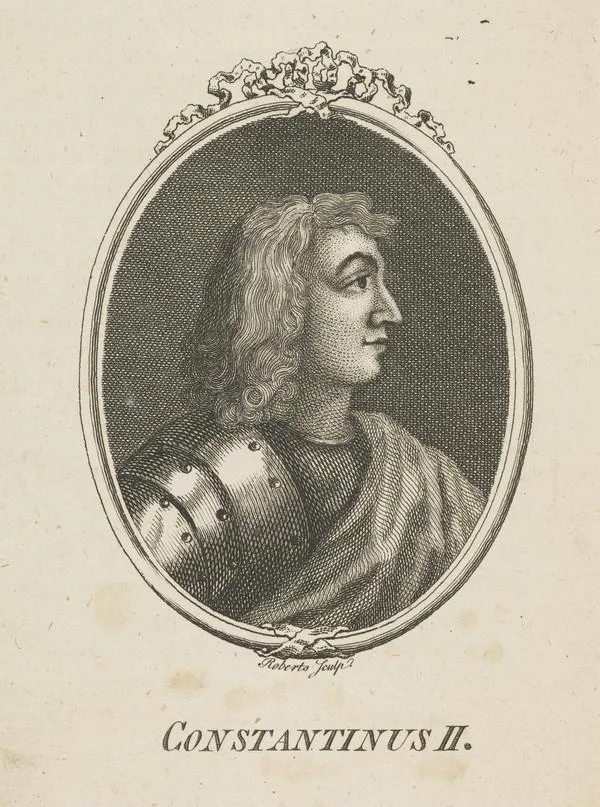
A major historical battle was fought at Otter in 918, as a Danish-Irish King attempted to invade Cowal from Ireland. Prince Reginald, son of King Ivar of the Dubhgalls, sought to carve a territory for himself in Argyll, and so gathered a great army of invasion. They were overthrown by the Scots and their allies at Otter under victorious King Constantine.
Lands in Cowal in the 1200s were divided amongst families that traced their ancestry to an earlier period of local occupation. They were interrelated, and claimed descent from Ánrothán, an 11th century prince of Ailech or Tir Eoghain who crossed the sea and married an heiress of the royal Cineal Comngall. This is a common Irish royal ancestral line of the MacEwen and the Campbell Clans, who each held Otter sequentially through history.
The MacEwen Barons of Otter in the 13th century succeeded earlier Gaelic chiefs of the area who had held the area independently before Cowal came under the Scottish Crown. Archaeological excavations have shown there was a prehistoric dun on the site of Castle MacEwen. During the medieval period, a palisaded enclosure was built before a promontory fort enclosed by a timber-laced and later stone rampart. There is a mound close to Otter House near Castle MacEwen called Dùn Mhic Eoghainn which it is believed was the original site of their baron courts. When the MacEwens established themselves at Otter, it became a barony of about twenty-five miles square, and could probably bring out 200 fighting men and governed probably around 300 families and 1400 people.
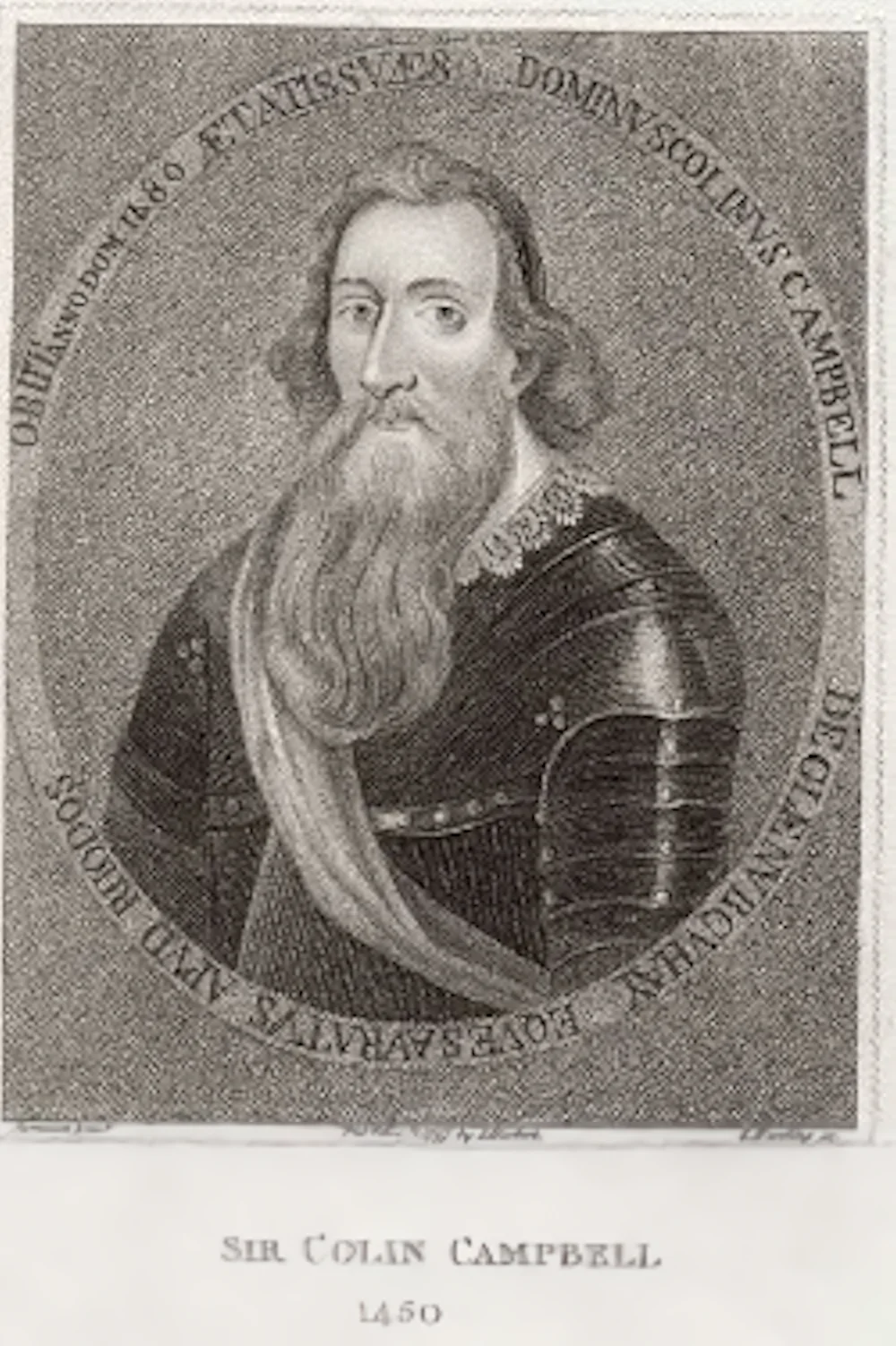
In the 1400’s the barony passed by assignation to the Campbells of Lochow, who became Earls and then later the Dukes of Argyll. Along with many lands in Argyll, the Campbells held the Barony of Otterinverane almost without break for more than five hundred years. Otterinverane continues today to be held by a Baron who is the direct lineal descendant of numerous prior Otterinverane Barons and shares common ancestry with all previous holders of the barony.