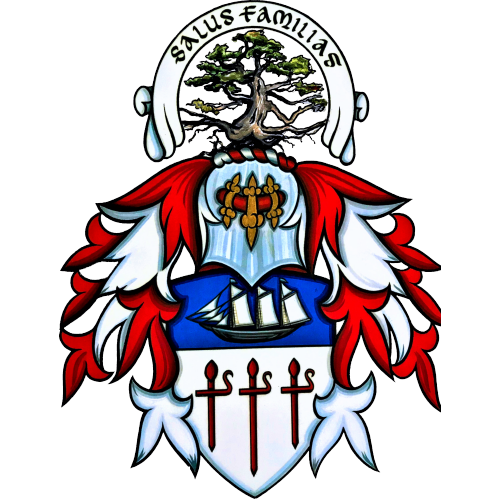
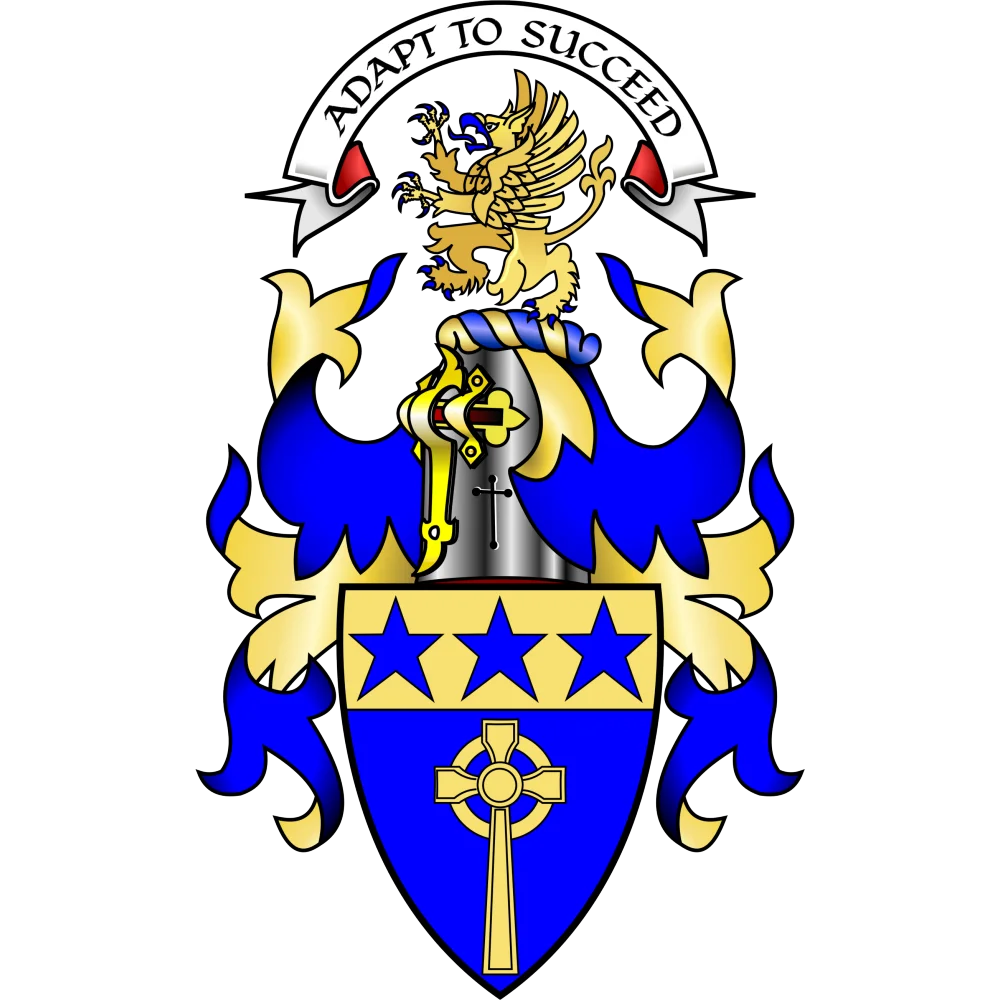
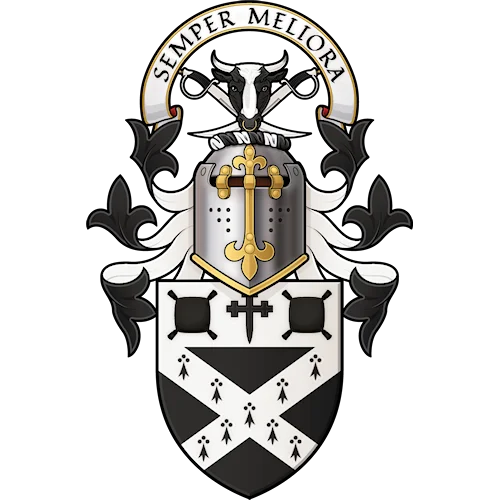
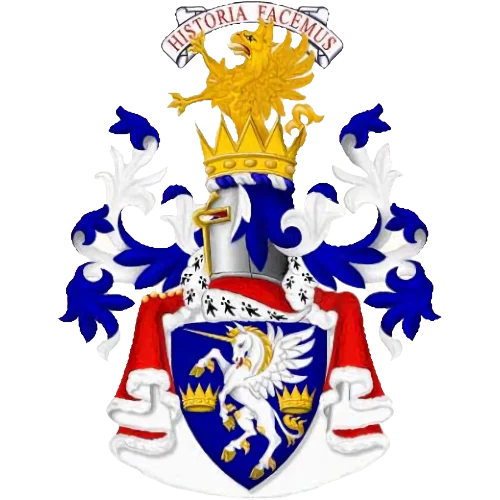
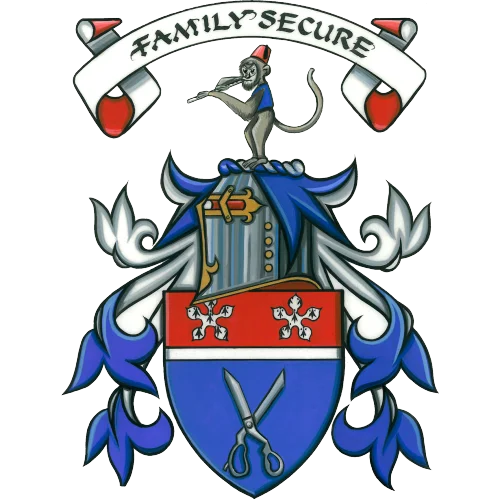
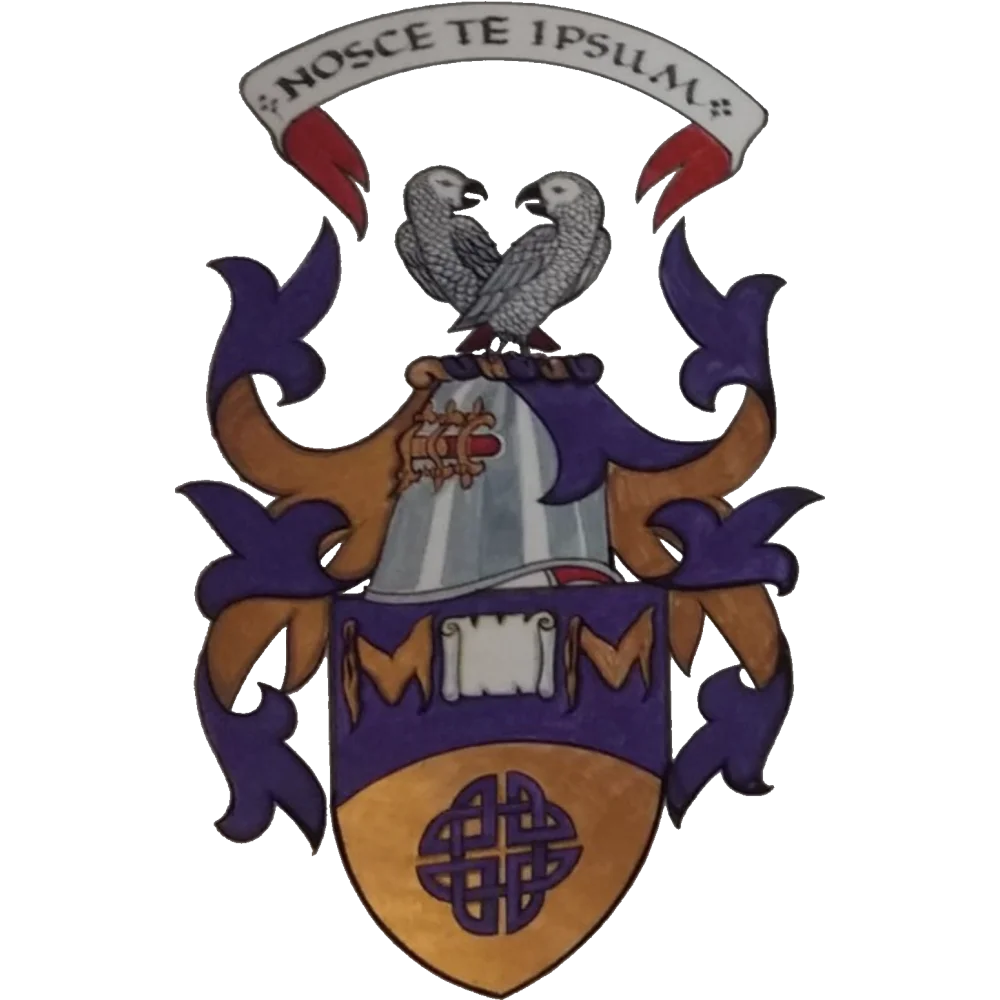
Scotland’s baronies reach back to the times of myth and legend. While today the barons and baronesses reside all over the world, they remain committed to Scotland’s rich heraldic history and its bright future.
A complex history of Scotland’s feudal baronage raises the important question of what a barony is.
The power of the baron would have varied depending on the individual who held the title, the nature of the barony and changes over time.
The baron courts continued, though the baronies and Scotland itself were changing.
A Scottish feudal Baron or Baroness may continue using their existing surname and add to their title.
Many Scottish histories concern themselves with baronies in some small part as they wove themselves into all aspects of life.
Committed to advance Scotland’s heraldic heritage, the Forum for the Scottish Baronage and its members lead and participate in a wide range of social and environmental giving campaigns. This engagement goes beyond any national border, in recognition of Scotland’s increasingly global footprint.

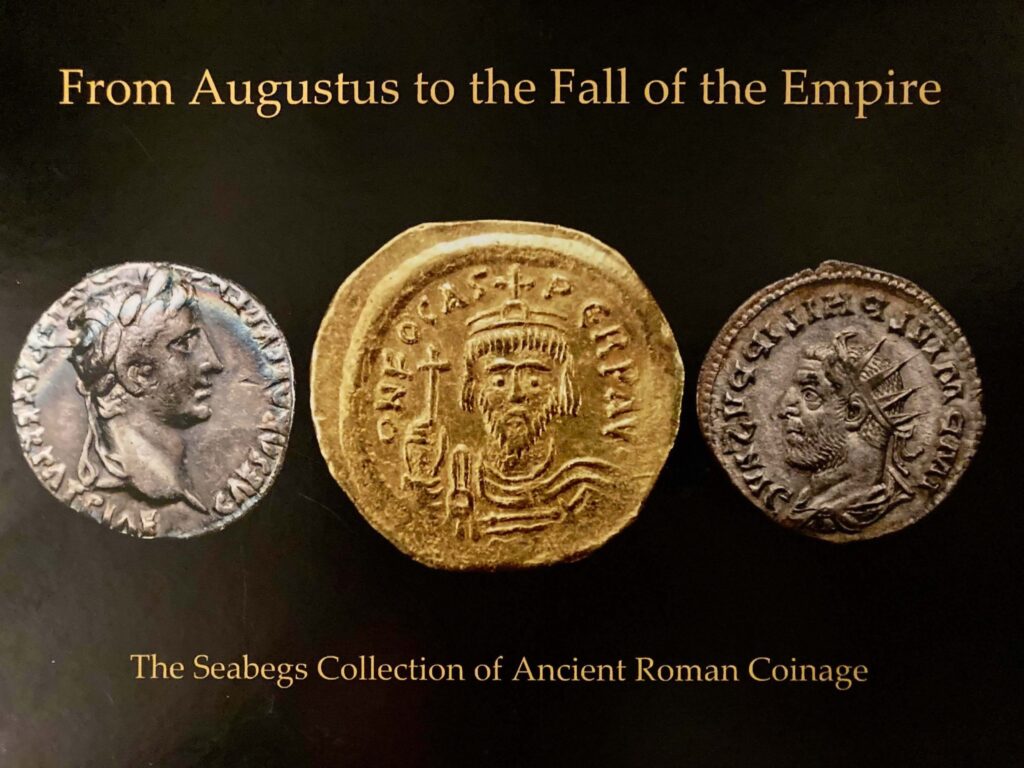
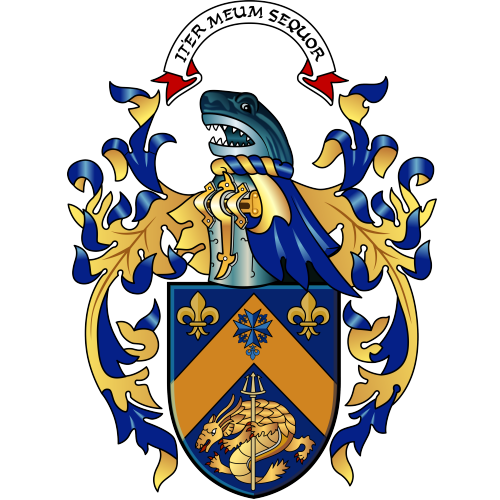
The Barony of Seabegs lies directly on the Antonine Roman Wall, enjoying the best-preserved portion of the wall, which is in Seabegs Wood, near Falkirk, in the central lowlands of Scotland. For this reason, the area was declared a UNESCO World Heritage Site in 2008. The barony’s unique setting spurred the current baron, George Burden of Seabegs, to start collecting ancient Roman coins, which he did over several decades. The collection grew to contain gold, silver and bronze coins of almost every Roman emperor, from Augustus to when the Roman Empire collapsed. In 2016, the baron donated his entire collection to Dalhousie University in Halifax, Nova Scotia.
Canada’s second-smallest province enjoys rich ties to Scotland. Its name is Latin for New Scotland, and was named by Sir William Alexander, who was given the land by King James IV of Scotland (King James I of England) in 1621. Settlers were sent from Scotland to help establish the land and their traditions remain strong in present-day Nova Scotia. The Baron of Seabegs’ donation, dedicated to his late mother, and his deep knowledge of the collection, on which he has been invited to present at Dalhousie University, speaks to Scotland’s rich heritage. It creates linkages from the Roman Empire to the settling of the New World, and captures Scotland’s global footprint, beyond its borders.

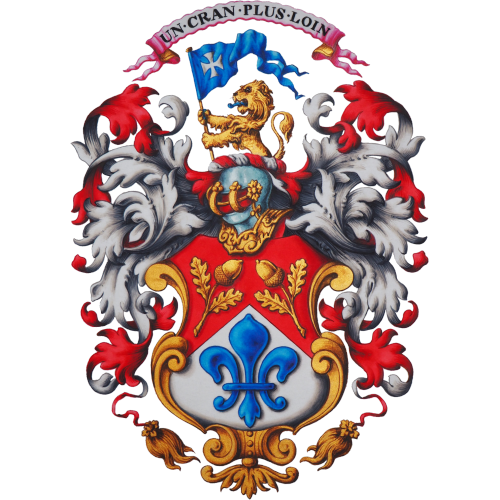
The Barony of Balvaird is the former seat of the ollam rig, the King’s Poet, a hereditary title granted by the Scottish kings of old. These bards were composers of verse, who sang their poems to the musical accompaniment of instruments like the lyre. It is said that there were bards at Balvaird since before the Romans came, and in fact its name is from the Gaelic Bail’ an bhaird — place of the bards. The current baron, Brady Brim-DeForest of Balvaird Castle, was inspired by this element of Balvaird’s history, and wanting to honor this unique heritage, became in 2020 the Principal Harp Chair Sponsor, for the National Youth Orchestra of Scotland. The Baron also provides financial support to the Scottish Ensemble, Scottish Arts Trust, and the Royal Celtic Society, among others.

Committed to promoting Scottish history, culture, legal system, and land preservation through education, the current Baron and Baroness of Otterinverane recently established an annual scholarship grant for graduate students and academics. The grants support research, throughout the value-chain leading to peer reviews, editing and publication in academic journals. The first “Otterinverane Fellow”, David Durie, 1st Class Honours LLB from the University of Dundee in 2019 and Scotland representative at the 42nd Telders International Law Moot, was completing his journal article in the Fall of 2021.
Further, interested in promoting scholarly work in younger students as well, Otterinverane, with its roots in Argyll, has established Youth Fellowships. The program sponsors essay competitions on Scottish history, culture and nature at the grammar and high school levels in Argyll. Winning entries and their authors are featured as “Otterinverane Youth Fellows” and provided with a certificate. The Youth Fellowship program is coordinated with enlisted schools and overseen by the Younger of Otterinverane.
Committed to advance Scotland’s heraldic heritage, the Forum for the Scottish Baronage and its members lead and participate in a wide range of social and environmental giving campaigns. This engagement goes beyond any national border, in recognition of Scotland’s increasingly global footprint.
The Forum for the Scottish Baronage is a modern association dedicated to preserving and promoting Scotland’s baronial heritage and heraldic tradition. It brings together barons, baronesses and supporters from around the world, providing a platform for education, cultural activities and philanthropy. The Forum and its members engage in social and environmental campaigns that highlight Scotland’s global footprint and ensure its heraldic heritage remains vibrant. Membership activities often involve events, research initiatives and charitable projects that celebrate the legacy of Scotland’s feudal past while looking to its future.
A barony in Scotland is not a fixed, static entity but an evolving title that has changed over hundreds of years. Historically, a barony represented a grant of land from the Crown or a feudal superior, conferring certain rights and duties on the baron. The nature of those rights varied by time and place – some barons lived on and governed their barony directly, while others held several baronies and delegated management to trusted stewards. Modern baronies are largely honorific, yet they remain symbols of Scotland’s legal and cultural history.
The origins of Scottish baronies lie in the feudal reforms of the 12th and 13th centuries. Kings such as David I granted lands to nobles and knights in return for military service and the obligation to administer justice locally. Over time, these grants became heritable baronies. Early baronies often centred on a “caput” (head place), usually a castle or manor, and were integral to the administration of justice and local governance. No two baronies were ever identical; each developed unique traditions and structures, making them a rich field of study for genealogists and historians.
Barons historically exercised wide judicial and administrative powers within their barony. They could hold courts to hear civil and criminal cases and had jurisdiction over matters such as “pit and gallows, sake and soke, toll, team and infangthief” – phrases denoting powers of justice, taxation and enforcement. In practice, barons were responsible for local policing, ensuring crops were planted on time and presiding over “wapinschaws” (weapon showings) to assess the readiness of their tenants. These powers varied by barony and diminished over time as national courts and local authorities took over.
By the 17th century, baron courts still existed but focused on minor offences and disputes. They met when the baron decided there was enough business to warrant a session. Meetings could be presided over by the baron or by locally elected “birlaymen”, who were knowledgeable residents tasked with settling disputes. Typical cases included petty theft, encroachments, burning of moors, and enforcing rent or service payments. The courts also oversaw community matters like maintaining mills and managing stray livestock, reflecting their role as local governance institutions.
“Tour of the Baronies” is an interactive section of the Forum’s website that invites visitors to explore Scotland’s historic baronies. Each barony entry provides a short description of its location, approximate date of origin and key historical details, often accompanied by the coat of arms. For example, the Anstruther barony page notes that Anstruther in Fife (circa 1100) was historically a fishing and port town divided by the Dreel Burn and that its name likely derives from Gaelic words meaning “driving” or “burn/stream”. Users can click through to read more about each barony’s history, heraldry and notable events.
Each barony page within the “Tour of the Baronies” provides detailed information such as:
– Location and date of creation (e.g., Fife circa 1100 for Anstruther)
– Historical background (e.g., whether it was a fishing village, trading post or rural estate)
– Etymology – many names come from Gaelic words describing the landscape
– Heraldic arms – an image of the coat of arms with explanations of its symbols
– Additional history slides – interactive icons reveal further stories, key figures and events
The Forum supports Scotland’s heraldic heritage by organising educational activities, participating in social and environmental campaigns and fostering international connections among barons and baronesses. It promotes responsible stewardship of historic lands and buildings and encourages research into genealogy, heraldry and local history. Members often collaborate with charities and cultural institutions, demonstrating the enduring relevance of baronial titles in modern civic life.
The Forum’s “Resources” section lists authoritative works on feudal baronies and heraldry. Suggested reading includes:
– Scottish Genealogy by Bruce Durie – a comprehensive guide to tracing Scottish family histories
– Alexander Grant’s essay “Franchises North of the Border” in *Liberties and Identities in the Medieval British Isles* – a scholarly overview of baronies and regalities
– Classic legal texts like Thomas Craig’s *Jus Feudale* and Sir George Mackenzie’s *Institutions of the Law of Scotland*
These books explore the legal, social and cultural aspects of baronial history and provide deeper context for enthusiasts and researchers.